American Lifestyle Trends 2026: Financial & Cultural Impact
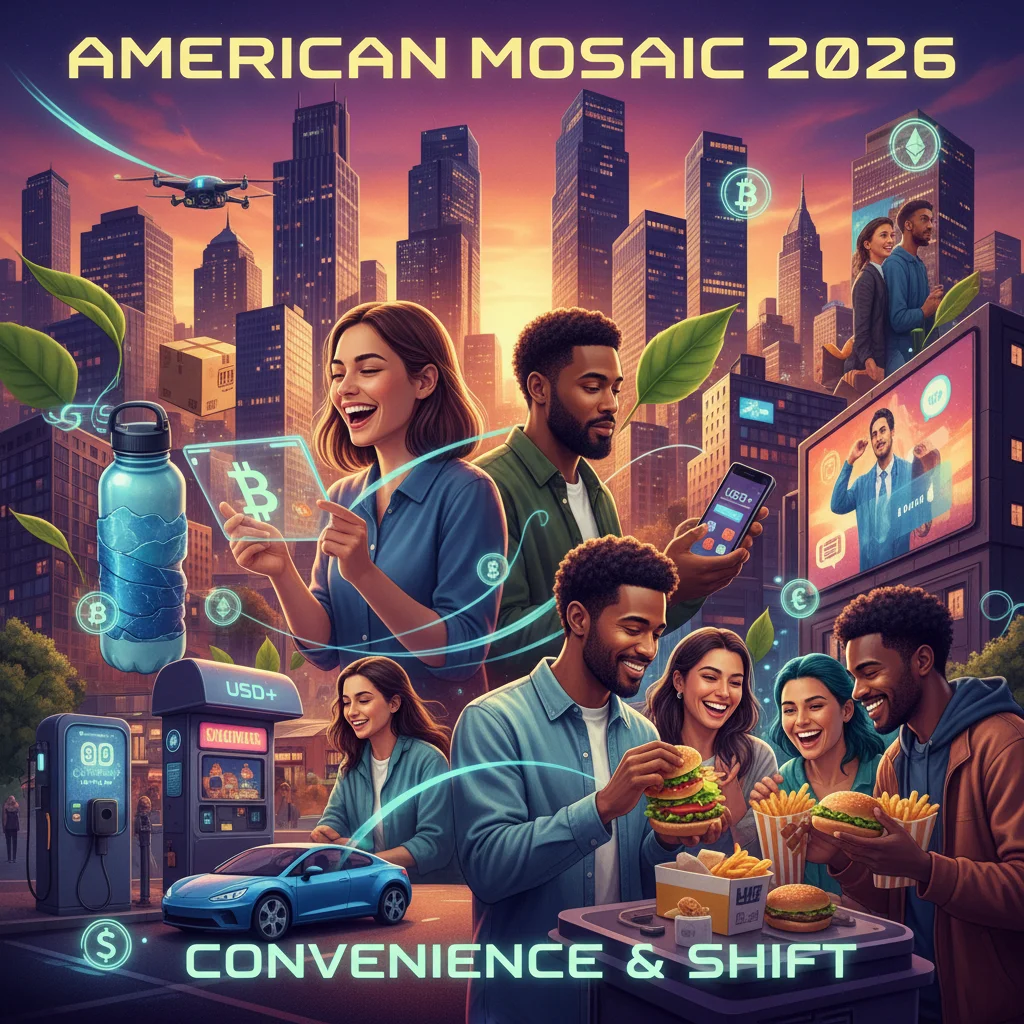
The Cultural Cost of Convenience: How American Lifestyle Trends Impact Your Values in 2026 (FINANCIAL IMPACT)
The year is 2026, and the fabric of American society continues to evolve at a dizzying pace. What once seemed like futuristic concepts are now integral parts of our daily existence, shaping not only how we live but also how we think, spend, and value. The overarching theme defining these shifts is undoubtedly convenience, a driving force that, while offering undeniable benefits, carries a significant cultural and financial cost. Understanding these American lifestyle trends is crucial for navigating the complexities of modern life, for individuals, families, and businesses alike.
From the omnipresence of on-demand services to the accelerating adoption of AI in everyday tasks, the pursuit of ease has redefined our expectations. But what are the real implications of this relentless drive for convenience? How are our values being reshaped, and what financial repercussions are we experiencing, both individually and collectively? This comprehensive analysis delves deep into the most prominent American lifestyle trends of 2026, exploring their cultural underpinnings and, crucially, their financial impact. We will examine how these trends are influencing everything from our spending habits and savings to our sense of community and personal well-being.
The landscape of American life is a dynamic interplay of technological advancements, economic pressures, and shifting societal priorities. In 2026, we find ourselves at a fascinating crossroads, where the allure of instant gratification clashes with a growing awareness of sustainability and mindful living. This article aims to unpack these tensions, providing a clear picture of the current state of American lifestyle trends and offering insights into how we can adapt, thrive, and make conscious choices in an increasingly complex world. Prepare to explore the multifaceted ways in which convenience is reshaping our lives, for better or for worse, and discover strategies to align your financial decisions with your evolving values.
The Rise of Hyper-Convenience: A Double-Edged Sword
The quest for convenience has permeated every aspect of American life. In 2026, it’s not just about fast food; it’s about everything being on-demand, delivered to your doorstep, or instantly accessible through a few taps on a screen. This hyper-convenience, while seemingly a boon, has profound implications for our financial habits and cultural values. The immediate gratification it offers often comes at a premium, subtly eroding our capacity for patience, planning, and delayed gratification – virtues traditionally associated with sound financial management.
Instant Gratification and Its Financial Toll
Consider the proliferation of subscription services for virtually everything: entertainment, food, clothing, even personal care. While these offer unparalleled ease, they can lead to an accumulation of recurring expenses that, individually small, collectively form a significant drain on household budgets. The ‘set it and forget it’ mentality, born from convenience, can make it difficult to track and control spending. Furthermore, the ease of access to credit and ‘buy now, pay later’ schemes, often integrated seamlessly into online shopping experiences, encourages impulsive purchases, leading to increased debt and reduced financial resilience. The cultural shift towards expecting immediate satisfaction means we are less likely to save for big purchases or endure temporary discomfort, directly impacting long-term financial goals like homeownership or retirement.
The Erosion of DIY and Skill Development
Convenience has also led to a decline in ‘do-it-yourself’ (DIY) culture. Why fix something when you can easily replace it or pay someone else to do it? While this fuels the service economy, it also means individuals are less likely to develop practical skills that could save them money in the long run. Basic home repairs, cooking from scratch, or even simple car maintenance are increasingly outsourced, adding to monthly expenditures. Culturally, this diminishes a sense of self-reliance and resourcefulness, replacing it with a reliance on external services. The financial impact is clear: a higher cost of living due to constant outsourcing, and a potential loss of valuable life skills that contribute to financial independence.
Digital Natives and the Shifting Landscape of Work and Wealth
The generation of digital natives, those who have grown up with the internet and mobile technology, are now firmly entrenched in the workforce and consumer market. Their values and expectations are uniquely shaped by their digital upbringing, influencing everything from career choices to investment strategies. These American lifestyle trends are not just generational; they are transformative.
Gig Economy Dominance and Financial Volatility
For many digital natives, the traditional 9-to-5 job holds less appeal than the flexibility and autonomy offered by the gig economy. While this provides opportunities for diverse income streams and work-life balance, it often comes with financial instability. The lack of traditional benefits like health insurance, paid time off, and retirement contributions places a greater burden on individuals to manage their own financial security. Culturally, this fosters a sense of entrepreneurial spirit but also a heightened level of financial precarity for many, impacting their ability to secure loans, build credit, and plan for the future. The financial impact is a growing segment of the population without traditional safety nets, requiring innovative solutions for financial planning and social security.
Digital Assets and New Investment Paradigms
Digital natives are also at the forefront of embracing new forms of wealth, including cryptocurrencies, NFTs, and other digital assets. This represents a significant cultural shift away from traditional investment vehicles. While these offer potential for high returns, they also come with considerable risk and volatility. The ease of access to trading platforms and the influence of social media trends can lead to speculative investments, potentially resulting in substantial financial gains or losses. The financial landscape is becoming more complex, requiring a new level of financial literacy and risk assessment. Culturally, this emphasizes decentralization and a questioning of established financial institutions, mirroring a broader distrust in traditional systems.
The Sustainability Imperative: Values vs. Convenience
Amidst the drive for convenience, a powerful counter-trend is gaining momentum: the sustainability imperative. Consumers, particularly younger generations, are increasingly conscious of their environmental and social impact, leading to a re-evaluation of purchasing decisions and lifestyle choices. This clash between convenience and conscious consumption is one of the most defining American lifestyle trends of 2026.

Ethical Consumption and Its Price Tag
Choosing sustainable, ethically sourced, and eco-friendly products often means paying a premium. From organic produce to fair-trade clothing, the ‘green’ option can be more expensive than its mass-produced, less sustainable counterpart. This creates a financial dilemma for many consumers: align spending with values or opt for the more affordable, convenient choice. Culturally, this trend highlights a growing awareness of global issues and a desire for personal responsibility, but it also exposes economic disparities, as ethical consumption can sometimes be a luxury. The financial impact is a reallocation of spending towards brands that align with values, potentially at the expense of other discretionary spending or savings.
The Sharing Economy and Reduced Ownership
In response to both financial pressures and sustainability concerns, the sharing economy continues to thrive. Car-sharing, tool libraries, clothing rentals, and co-living spaces are gaining traction, challenging the traditional notion of individual ownership. This cultural shift prioritizes access over ownership, leading to reduced material possessions and potentially significant financial savings. By sharing resources, individuals can minimize their environmental footprint and reduce the financial burden of purchasing and maintaining assets. The financial impact is a move away from large capital expenditures towards subscription or rental models, freeing up capital for other investments or experiences. Culturally, it fosters a sense of community and collaboration, challenging the individualistic consumerism of previous decades.
Wellness and Mental Health: A Growing Investment
The fast-paced, always-on nature of modern American life has brought mental health and wellness to the forefront of cultural discourse. In 2026, investing in personal well-being is no longer a luxury but a perceived necessity, shaping spending habits and lifestyle choices.
The Financialization of Self-Care
The ‘self-care’ industry has exploded, encompassing everything from meditation apps and therapy services to specialized diets and fitness trackers. While these resources can be genuinely beneficial, they often come with significant costs. Subscriptions for mental wellness apps, personal trainers, specialized dietary supplements, and retreats represent a growing category of expenditure. Culturally, this reflects a greater openness about mental health and a recognition of its importance, but it also raises questions about accessibility and the commercialization of well-being. The financial impact is a redirection of discretionary income towards health and wellness products and services, sometimes at the expense of traditional savings or other financial priorities.
Work-Life Balance and the Pursuit of ‘Quiet Quitting’
The pandemic ushered in a re-evaluation of work-life balance, leading to phenomena like ‘quiet quitting’ and a greater demand for flexible work arrangements. This cultural shift prioritizes personal well-being over relentless career advancement, influencing career choices and employer expectations. Financially, this can mean choosing lower-paying jobs that offer better work-life integration, or investing in personal development outside of traditional career paths. While potentially impacting immediate earning potential, it aims for long-term psychological and physical health benefits. The financial impact is a recalibration of what constitutes ‘success,’ moving beyond purely monetary measures to include quality of life and personal fulfillment.
The Impact on Community and Social Capital
Beyond individual financial decisions, American lifestyle trends in 2026 are also reshaping our collective social fabric and the very nature of community. The pursuit of convenience and digital connectivity has unintended consequences for our real-world interactions and social capital.
Erosion of Local Businesses and Community Hubs
The dominance of e-commerce and large online retailers, driven by convenience and often lower prices, continues to challenge local brick-and-mortar businesses. This has a direct financial impact on local economies, leading to job losses and reduced tax revenues for communities. Culturally, the decline of local shops, cafes, and community centers means a loss of informal gathering spaces where social bonds are formed and strengthened. The financial convenience of online shopping comes at the cultural cost of diminished local character and community cohesion. This trend exacerbates economic inequality within communities and reduces the diversity of local offerings.
Digital Connections vs. Real-World Relationships
While social media and digital platforms offer unprecedented ways to connect, they often substitute superficial interactions for deep, meaningful relationships. The convenience of online communication can lead to a decline in face-to-face engagements, impacting mental health and fostering feelings of isolation. Financially, this may manifest in less spending on local entertainment or community events, but potentially more on digital subscriptions or online experiences. Culturally, it raises concerns about the quality of human connection and the potential for echo chambers, impacting civic engagement and collective action. The financial implications are indirect but profound, affecting everything from local business vitality to charitable giving and volunteerism.
Navigating the Future: Strategies for a Balanced Life in 2026
Given the complex interplay of convenience, technology, and evolving values, how can individuals and communities navigate these American lifestyle trends effectively in 2026? The key lies in conscious decision-making and a proactive approach to managing both financial and cultural well-being.
Financial Literacy and Mindful Spending
In an era of hyper-convenience and digital finance, robust financial literacy is more critical than ever. Understanding budgeting, saving, investing in diverse assets, and managing debt are essential skills. Mindful spending, where purchases are aligned with personal values rather than impulsive desires, can counteract the lure of instant gratification. This involves questioning whether a convenient option truly adds value or simply extracts a premium for immediacy. Culturally, promoting financial education from an early age can empower individuals to make informed choices and resist the pressures of consumerism. The financial impact of prioritizing financial literacy is long-term stability and greater control over one’s economic future.
Prioritizing Experiences Over Possessions
A growing number of Americans are finding greater fulfillment in experiences rather than material possessions. This cultural shift, often driven by a desire for authenticity and connection, can also have positive financial implications. Spending on travel, education, hobbies, and social activities, rather than accumulating goods, can lead to more meaningful memories and less financial burden associated with maintenance and storage. The financial impact is a potential reallocation of funds from consumer goods to experiential spending, which can also foster personal growth and well-being. Culturally, it promotes a richer, more engaged life beyond mere consumption.

Rebuilding Local Connections and Community
Counteracting the atomizing effects of digital convenience requires a conscious effort to rebuild local connections. Supporting local businesses, participating in community events, and engaging in volunteer work can strengthen social capital and foster a sense of belonging. Financially, this means directing spending towards local entrepreneurs, which helps circulate money within the community and supports local job creation. Culturally, it reinforces the value of human connection and collective well-being, providing a much-needed antidote to social isolation. The financial impact is a more resilient local economy and a richer social environment.
Embracing Deliberate Disconnection
In a world saturated with digital stimuli, deliberate disconnection – or ‘digital detox’ – is becoming increasingly important for mental health. Setting boundaries with technology, scheduling screen-free time, and engaging in offline activities can reduce stress, improve focus, and foster deeper real-world interactions. While not directly financial, the improvement in mental well-being can indirectly lead to better decision-making, reduced impulsive spending, and increased productivity. Culturally, it challenges the notion that constant connectivity is always beneficial, promoting a more balanced relationship with technology.
Conclusion: Shaping Our Future, One Choice at a Time
The American lifestyle trends of 2026 present a complex tapestry of opportunities and challenges. While convenience offers undeniable advantages, its cultural and financial costs are becoming increasingly apparent. The rise of hyper-convenience, the influence of digital natives, the imperative of sustainability, and the growing focus on wellness are all reshaping our values and our wallets. It’s a dynamic period where individual choices have collective consequences, impacting not just personal finances but the very fabric of society.
As we navigate this evolving landscape, it’s crucial to move beyond passive consumption and embrace conscious living. By understanding the underlying forces at play, fostering financial literacy, prioritizing experiences and genuine connections, and making deliberate choices that align with our values, we can mitigate the negative impacts of these trends. The future of American lifestyle is not predetermined; it is being shaped by the decisions we make today. By being mindful consumers, engaged community members, and financially savvy individuals, we can steer towards a future that is not only convenient but also sustainable, equitable, and ultimately, more fulfilling.
The journey towards a more balanced and intentional way of life is continuous. It requires constant reflection, adaptation, and a willingness to question the status quo. In 2026 and beyond, those who master the art of discerning between true value and fleeting convenience will be best positioned to thrive, both financially and culturally, creating a legacy that benefits not just themselves, but future generations as well. The conversation around these American lifestyle trends is far from over; it’s just beginning.