Future Craft Fairs: Boost Sales 35% by 2026
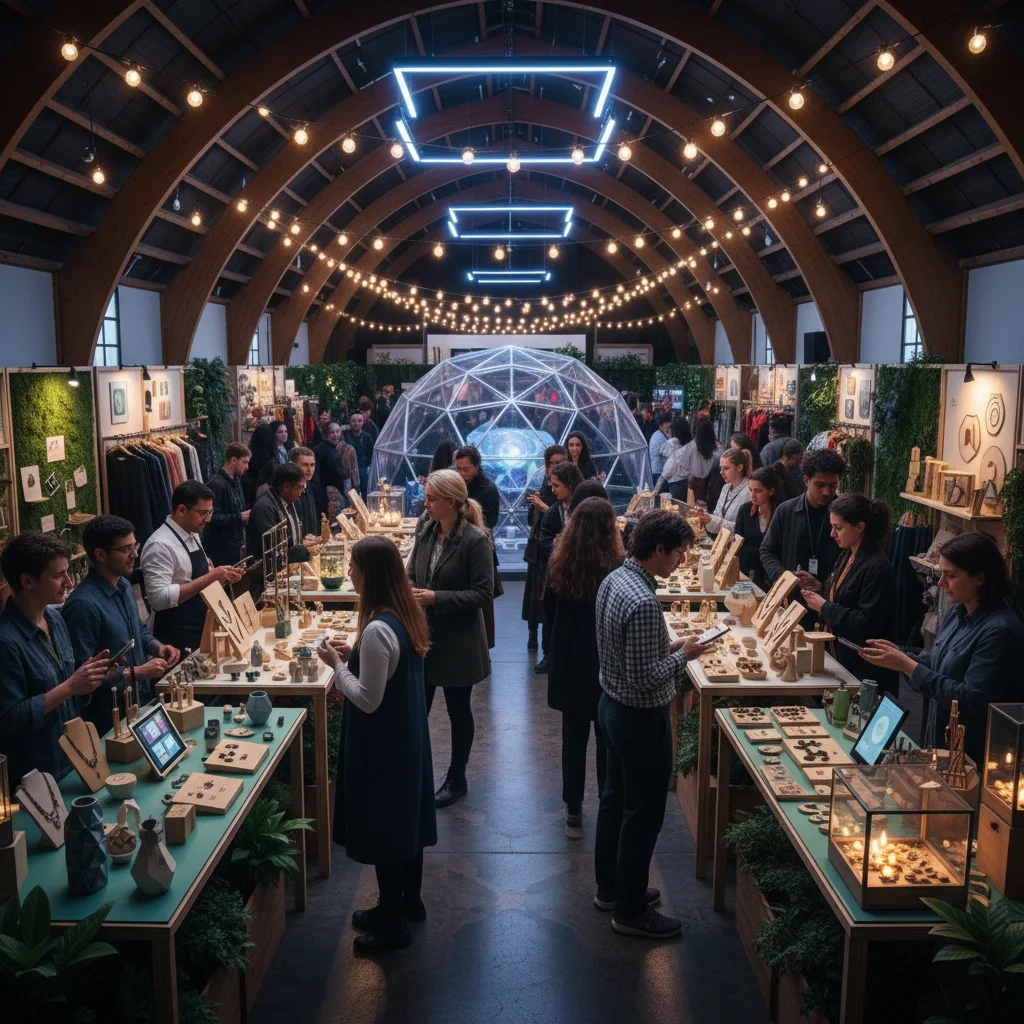
The landscape of artisan markets and craft fairs is constantly evolving. As we look towards 2026, the traditional charm of handmade goods meets the innovative possibilities of modern technology and strategic marketing. For artisans, crafters, and small business owners, understanding these shifts is paramount to not just surviving, but thriving. Our goal for this article is ambitious yet achievable: to provide you with actionable strategies to maximize your sales by an impressive 35% at Future Craft Fairs by 2026. This isn’t just about incremental improvements; it’s about a holistic transformation of your approach to these vital events.
The allure of craft fairs lies in their unique ability to connect creators directly with their audience, fostering a sense of community and appreciation for handcrafted items. However, relying solely on traditional methods in an increasingly digital world is a recipe for stagnation. To truly boost your sales, you must embrace a forward-thinking mindset, integrating digital tools, refining your customer experience, and optimizing your operational efficiency. This comprehensive guide will delve into the critical areas that will define success at Future Craft Fairs, ensuring you are well-equipped to meet the demands and capitalize on the opportunities of the coming years.
Understanding the Evolving Consumer at Future Craft Fairs
Before we dive into strategies, it’s crucial to understand who your customer will be at Future Craft Fairs. The consumer of 2026 is more informed, more digitally savvy, and more values-driven than ever before. They are not just buying a product; they are investing in a story, a mission, and an experience. This means your approach needs to be more personalized, transparent, and engaging.
The Digitally Native Shopper
A significant portion of your future customer base will have grown up with the internet and social media. They expect immediate access to information, seamless digital interactions, and a consistent brand presence both online and offline. This translates to expectations for easy online discovery of your products before the fair, quick digital payment options at your booth, and engaging social media content that keeps them connected long after the event.
Values-Driven Purchasing
Ethical sourcing, sustainability, and supporting local businesses are not just buzzwords; they are key drivers for many consumers. In 2026, more shoppers will actively seek out brands that align with their personal values. Highlighting your commitment to these principles – whether it’s through eco-friendly materials, fair labor practices, or giving back to the community – can be a powerful differentiator at Future Craft Fairs. Don’t just make beautiful products; tell the beautiful story behind them.
Experience Over Transaction
While the ultimate goal is a sale, the modern consumer values the experience of shopping as much as the product itself. At Future Craft Fairs, this means creating an inviting booth atmosphere, offering interactive demonstrations, and fostering genuine conversations. The memory of a positive experience can be a stronger motivator for future purchases and word-of-mouth referrals than the product alone.
Leveraging Technology for a 35% Sales Boost
Technology is no longer an optional add-on; it’s an integral part of maximizing sales at Future Craft Fairs. From pre-fair marketing to post-event follow-up, digital tools can streamline operations, enhance customer engagement, and provide invaluable data insights.
Pre-Fair Digital Marketing & Engagement
Your sales journey for Future Craft Fairs begins long before the event doors open. Utilize social media platforms like Instagram, TikTok, and Pinterest to showcase your work, share behind-the-scenes glimpses, and build anticipation. Create compelling content that highlights your unique selling propositions and the story behind your craft. Consider running targeted ads to reach potential customers in the fair’s geographic area.
- Interactive Content: Polls, Q&As, and live streams can engage your audience and gather valuable feedback on product preferences.
- Email Marketing: Build an email list and send out newsletters promoting your participation in upcoming fairs, offering exclusive sneak peeks or special discounts for early bird attendees.
- Online Storefront Integration: Ensure your online store is updated and linked across all your social platforms. This allows customers to browse your full collection and even pre-order items for pickup at the fair, reducing wait times and increasing convenience.
Smart Booth Setup & In-Fair Tech
Your physical booth at Future Craft Fairs should be a seamless extension of your online presence. Integrate technology to enhance the customer experience and streamline transactions.
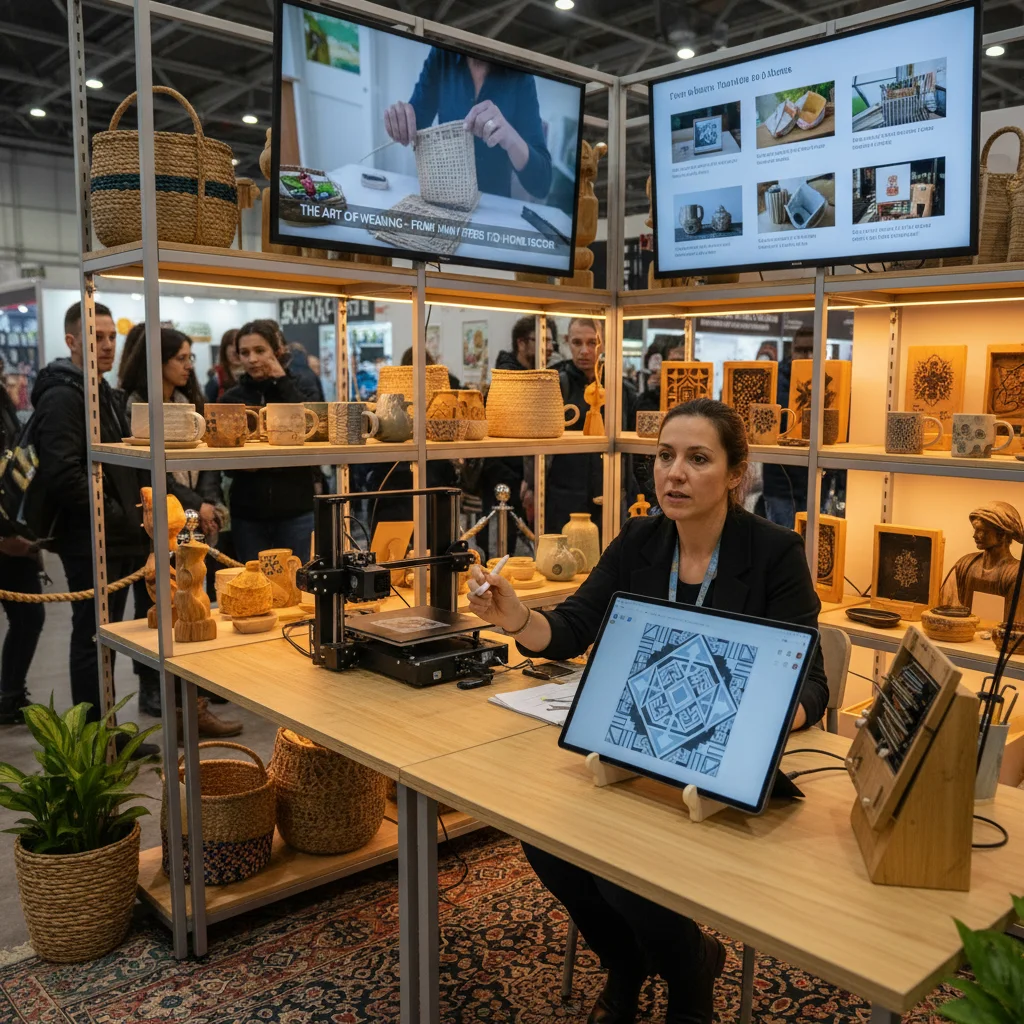
- Digital Displays: Use tablets or small screens to showcase your product catalog, videos of your crafting process, or customer testimonials. This adds a professional touch and provides more information than can fit on physical signage.
- QR Codes: Strategically place QR codes around your booth that link to your website, social media, email sign-up, or even a digital lookbook.
- Contactless Payment Systems: Offer multiple payment options, including tap-to-pay, mobile wallets (Apple Pay, Google Pay), and traditional card readers. Speed and convenience at checkout are crucial for improving conversion rates.
- Inventory Management Apps: Use a mobile POS system that integrates with inventory management. This allows you to track sales in real-time, know what’s in stock, and identify best-selling items instantly.
Post-Fair Digital Nurturing
The fair doesn’t end when the doors close. Follow-up is critical for retaining customers and driving future sales. At Future Craft Fairs, this means leveraging the data you collected to personalize your post-event communications.
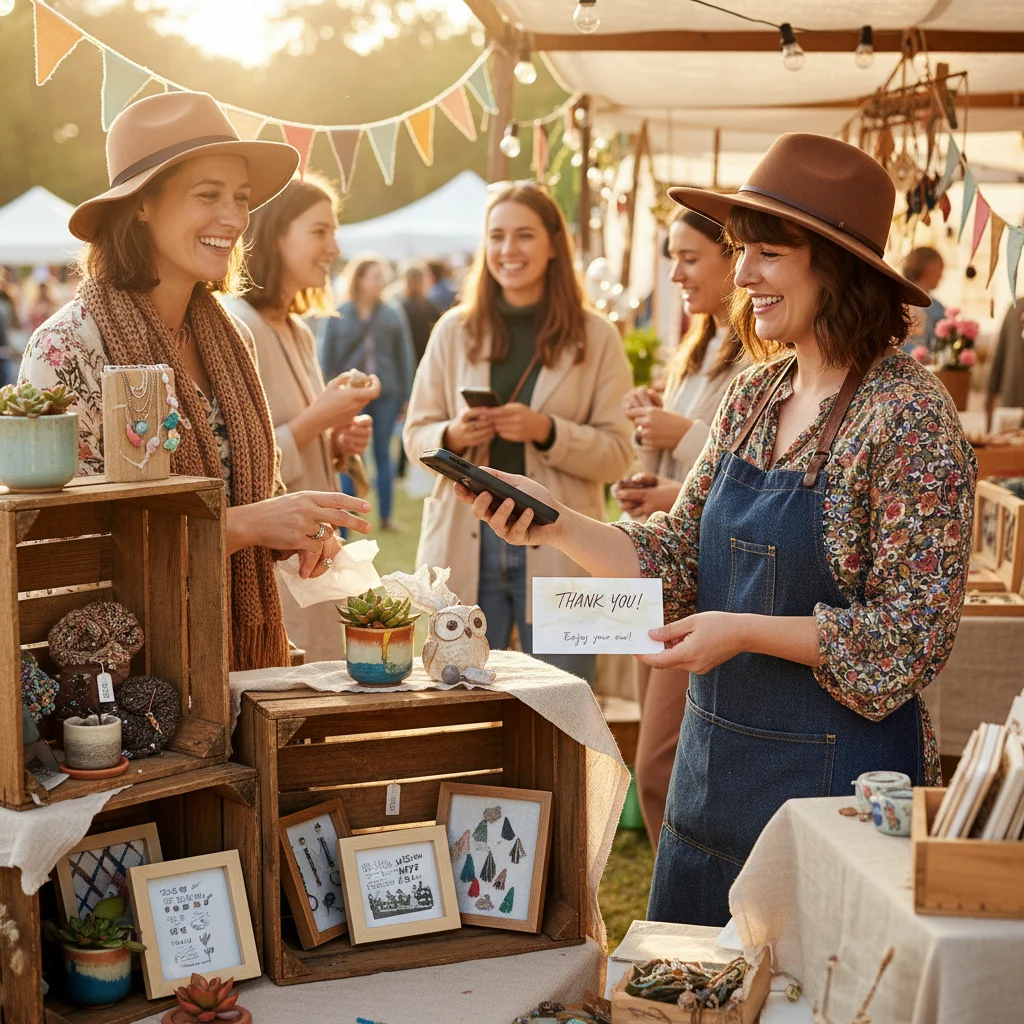
- Personalized Thank You Emails: Send personalized thank you emails to customers who made a purchase, perhaps including a small discount code for their next online order.
- Segmented Email Campaigns: If you collected information on customer preferences, segment your email list and send targeted promotions based on their interests.
- Social Media Engagement: Share photos and videos from the fair, tag customers (with their permission), and encourage them to share their purchases using a specific hashtag.
- Feedback Collection: Encourage customers to leave reviews or provide feedback on their fair experience. This not only builds trust but also provides valuable insights for future improvements.
Optimizing Your Product & Presentation
While technology is a powerful enabler, the core of your success at Future Craft Fairs still lies in the quality of your products and the effectiveness of your presentation. A 35% sales boost requires a critical look at what you’re selling and how you’re showcasing it.
Product Innovation & Customization
The market for handmade goods is becoming increasingly saturated. To stand out, consider product innovation and offering personalization. What unique twist can you add to your craft? Can you offer on-the-spot customization or bespoke orders?
- Limited Editions: Create exclusive items specifically for the fair to generate excitement and a sense of urgency.
- Live Customization: Offer services like engraving, embroidery, or custom color choices that can be done while the customer waits. This creates an unforgettable experience and a unique product.
- Bundle Offers: Package complementary items together at a slightly reduced price. This can increase the average transaction value.
Professional Booth Design & Merchandising
Your booth is your storefront. At Future Craft Fairs, it needs to be inviting, aesthetically pleasing, and easy to navigate. Think about how major retailers design their spaces and adapt those principles to your smaller scale.
- Clear Branding: Ensure your logo, brand colors, and overall aesthetic are consistent and professional.
- Effective Lighting: Good lighting can make your products sparkle and stand out. Battery-operated LED lights are a great option for many fair settings.
- Multi-Level Displays: Use risers, shelves, and hanging elements to create visual interest and maximize space. Avoid a flat, cluttered table.
- Storytelling Signage: Beyond price tags, have signs that tell the story of your craft, your materials, or your inspiration. This connects with the values-driven consumer.
- Mirror Placement: If you sell wearable items, a well-placed mirror encourages customers to try things on and visualize themselves with your product.
High-Quality Product Photography & Packaging
Even at a physical fair, good photography matters for your digital presence. And once a sale is made, the packaging becomes a part of the customer’s experience.
- Consistent Visuals: Ensure your product photos, both online and any printed materials at your booth, are high-quality, well-lit, and consistent with your brand.
- Branded Packaging: Invest in attractive, branded packaging. A beautiful bag or box enhances the perceived value of the purchase and acts as a walking advertisement.
- Eco-Friendly Options: Offer sustainable packaging choices to align with consumer values.
Mastering Customer Engagement & Sales Techniques
No amount of technology or beautiful products will compensate for poor customer interaction. At Future Craft Fairs, your ability to connect with visitors on a personal level is your greatest asset for driving sales.
The Art of the Approach
Don’t be a passive presence behind your table. Engage with visitors, but do so authentically. Avoid aggressive sales tactics. Instead, aim to be helpful and informative.
- Open-Ended Questions: Instead of “Can I help you?” try “What caught your eye today?” or “Are you looking for something special?”
- Share Your Story: Be ready to share the inspiration behind your work, the materials you use, or the crafting process. People love to hear the story behind handmade items.
- Demonstrations: If practical, offer live demonstrations of your craft. This draws people in, educates them, and highlights the skill involved in your work.
Building Relationships, Not Just Transactions
The goal is to turn fair visitors into loyal customers. This happens when you build a relationship.
- Remember Names/Faces: If someone returns to your booth, try to remember them. A simple “Welcome back!” can go a long way.
- Offer Value Beyond the Sale: Provide care instructions for your items, suggest complementary products, or offer tips related to your craft.
- Collect Contact Information: Always have a clear and easy way for people to sign up for your email list or follow you on social media. Offer an incentive, like a small discount on their next purchase, for signing up.
Handling Objections & Closing the Sale
Even with perfect products and presentation, you’ll encounter objections. Be prepared to address them gracefully.
- Price Concerns: Instead of lowering your price, reiterate the value, quality, and uniqueness of your handmade item. Explain the time, skill, and materials that go into it.
- Uncertainty: Offer reassurance. “This piece would look fantastic in your home because…” or “This material is known for its durability and will last for years.”
- Call to Action: Sometimes, people just need a gentle nudge. “I only have a few of these left,” or “This special fair pricing ends today.”
Data-Driven Decision Making for Future Craft Fairs
To achieve a 35% sales increase, you can’t rely on guesswork. Collecting and analyzing data from your participation in Future Craft Fairs will be crucial for continuous improvement.
Tracking Key Metrics
What should you be measuring?
- Sales by Product: Identify your best-sellers and slowest movers. This informs future inventory decisions.
- Average Transaction Value (ATV): How much does each customer spend on average? Strategies like bundling or upselling can increase this.
- Conversion Rate: How many visitors to your booth make a purchase? This helps assess the effectiveness of your display and sales techniques.
- Customer Acquisition Cost (CAC): If you ran pre-fair ads, how much did it cost to acquire each new customer at the fair?
- Email Sign-ups: Track how many new subscribers you gain at each fair.
Post-Fair Analysis & Adjustment
After each fair, take time to review your data. What worked well? What didn’t? Use these insights to refine your strategy for the next event.
- Inventory Review: Adjust your stock levels and product offerings based on sales data.
- Booth Optimization: Experiment with different layouts, signage, and product placements.
- Marketing Refinement: Tweak your pre-fair marketing messages and channels based on which ones drove the most traffic and sales.
- Customer Feedback Integration: Act on any feedback received to improve the customer experience.
Building a Sustainable Brand Beyond the Fair
While Future Craft Fairs are excellent sales opportunities, they should also serve as a springboard for building a sustainable, long-term brand. A 35% sales increase isn’t just a one-off achievement; it’s the result of consistent effort and strategic brand building.
Online Presence as an Extension
Your website and social media channels are your 24/7 storefront. Ensure they are professional, easy to navigate, and accurately reflect your brand identity. Regularly update with new products, blog posts, and engaging content.
Community Building
Foster a sense of community around your brand. This can be through online groups, workshops, or collaborations with other artisans. Loyal customers are your best advocates.
Continuous Learning & Adaptation
The world of craft fairs and consumer behavior will continue to evolve. Stay informed about new trends, technologies, and marketing strategies. Attend workshops, read industry blogs, and network with other successful makers. Flexibility and a willingness to adapt are key to long-term success.
Conclusion: Your Path to 35% Growth at Future Craft Fairs
Achieving a 35% sales boost at Future Craft Fairs by 2026 is an ambitious but entirely attainable goal. It requires a multifaceted approach that blends the timeless appeal of handmade goods with the power of modern technology, strategic marketing, and exceptional customer engagement. By understanding the evolving consumer, leveraging digital tools for pre-fair, in-fair, and post-fair activities, optimizing your products and presentation, mastering customer interaction, and making data-driven decisions, you will not only increase your sales significantly but also build a more resilient and beloved brand.
Start implementing these strategies today. Review your current processes, identify areas for improvement, and embrace the exciting opportunities that Future Craft Fairs present. The artisans who are willing to innovate and adapt will be the ones who truly flourish in the years to come. Your craft deserves to be seen, appreciated, and purchased, and with these insights, you are well on your way to achieving remarkable success.