The Evolving Canvas: How the Gig Economy is Reshaping American Artists’ Careers
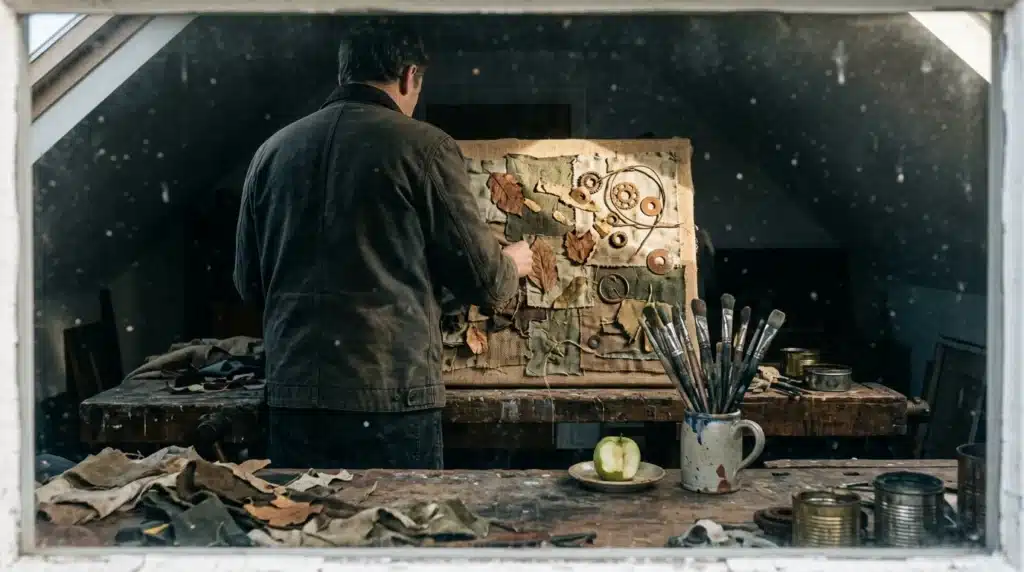
The romantic myth of the “starving artist,” waiting patiently for a wealthy patron or a breakthrough gallery show, is rapidly fading into history. In its place, a new archetype is emerging: the artist as an entrepreneur, a CEO of their own creative enterprise. This profound shift isn’t driven by the traditional art world, but by the decentralized, digital-first landscape of the gig economy, which has fundamentally altered what it means to build a career in the arts.
For decades, the path for a professional artist was narrowly defined by gatekeepers—galleries, agents, and critics. The gig economy, powered by digital platforms and a global marketplace, has dismantled this structure. It offers creatives historic autonomy to choose their projects, direct access to their audience, and control over their brand. This newfound freedom allows artists to assemble a career from diverse income streams, from digital commissions and online print sales to subscription-based patronage and teaching.
This new paradigm is not without its perils. The promise of flexibility often conceals the reality of income volatility, the absence of traditional employment benefits, and the immense pressure of self-management. Is this trade-off worth it? This article explores the complex impact of the gig economy on American artists, examining the powerful tools and platforms driving this change, the significant financial and legal hurdles that remain, and the primary strategies creatives must adopt to not just survive, but thrive in this evolving canvas.
A New Paradigm: Understanding the Gig Economy’s Allure for Artists
The romanticized myth of the starving artist is finally being challenged, not by gallery owners or wealthy patrons, but by the decentralized force of the gig economy. This model, built on short-term contracts and freelance projects, offers artists two things the traditional career path rarely could: genuine flexibility and creative autonomy. Instead of being tied to a single employer or waiting for a breakthrough commission, creatives can now assemble a career from multiple income streams, choosing projects that align with their vision and schedule. This is a profound shift in power.
Participation numbers confirm this trend isn’t just a niche movement. A recent survey from the National Endowment for the Arts found that an estimated 59% of visual artists in the U.S. now engage in some form of gig work to support their creative practice. For many, this isn’t just a side hustle; it’s the primary engine of their career, a testament to a unique form of American ingenuity in the face of economic change. But does this new structure serve the artist’s best interest?
Think of the old system as waiting for a major studio to greenlight your film; the gig economy is more like being a YouTuber who builds an audience directly. This direct-to-consumer approach allows for more experimentation and control over the final product, forcing artists to develop new modern approaches to fostering creativity and business acumen. The gatekeepers are losing their influence.
While the allure of being your own boss is strong, what most people miss is the inherent instability that comes with it. This freelance-driven world trades the security of a steady paycheck for the freedom to create on one’s own terms, introducing a set of common pitfalls many are unprepared for. The question is no longer just about talent, but about an artist’s ability to navigate a marketplace that is constantly in flux.
Navigating the Freelance Frontier: Opportunities and Obstacles for Creatives
The gig economy sells itself as a liberating force for artists, a digital promised land of autonomy and direct market access. Yet, for every painter selling prints globally from their home studio, another struggles with the gnawing uncertainty of their next paycheck. This isn’t a simple story of success or failure. It’s a complex trade-off.
Unlocking New Markets and Global Reach
Digital platforms have effectively demolished the geographic and institutional walls that once confined artists. An illustrator in Ohio can now design a logo for a startup in Singapore through a site like Upwork, while a sculptor in Arizona uses Instagram to sell directly to collectors in New York, bypassing the gallery system entirely. This direct-to-consumer model fosters a new kind of American ingenuity, granting artists exceptional control over their branding and sales channels.
The numbers back this up. According to a recent Hiscox Online Art Trade Report, the digital art market has seen consistent growth, demonstrating a significant shift in how art is bought and sold. This migration allows creatives to tap into niche markets that were previously unreachable (think hyper-specific fan art commissions or bespoke craftwork), building a dedicated following without needing a traditional curator’s validation. It’s a core power shift.
The Precarious Balance: Income Volatility and Benefits Gaps
For all its promise, the freelance frontier is often a landscape of financial precarity. The income stream for a gig artist can feel less like a steady river and more like a faulty faucet—a torrent one month, a frustrating drip the next. This cycle makes long-term financial planning nearly impossible and can be a significant source of stress, directly impacting the very process of creative expression for mental wellness.
What most people miss is the administrative burden that comes with this freedom. A study by the Freelancers Union revealed that 78% of freelancers feel anxious about their financial stability due to inconsistent income. But can true creative freedom exist without a basic safety net? This forces many to constantly seek out methods for fostering creativity in daily life just to keep their business afloat.
This lack of a safety net—no employer-sponsored health insurance, no 401(k) matching, no paid sick days—is the gig economy’s glaring vulnerability. The artist becomes an entrepreneur by necessity, a role for which many are unprepared.
Pros and Cons of Gig Work for Artists
- Pro: Direct Audience Access. Artists can build and engage with their own community without intermediaries.
- Pro: Creative Autonomy. You choose the projects that align with your vision and schedule.
- Pro: Global Marketplace. Your potential client base is no longer limited by your physical location.
- Con: Income Instability. The “feast or famine” cycle is a constant source of stress and anxiety.
- Con: Lack of Benefits. Health insurance, retirement, and paid leave are entirely self-funded responsibilities.
- Con: Administrative Overload. Time spent on marketing, invoicing, and taxes is time not spent creating.
The fight for gig worker protections is about more than just pay; it’s about acknowledging a core shift in our economy.
— Dr. Lena Petrova, Labor Economist
| Aspect of Gig Work | The Promise (Opportunity) | The Price (Challenge) |
|---|---|---|
| Autonomy & Flexibility | Full control over project selection, work schedule, and creative direction. | Constant pressure of self-promotion, invoicing, and administrative tasks. |
| Market Access | Direct connection to a global audience and niche markets, bypassing traditional gatekeepers. | High saturation on digital platforms requires significant marketing skill to stand out. |
| Financial Model | Potential for multiple, diversified income streams (commissions, sales, patronage). | Income is often volatile and unpredictable, making financial planning difficult. |
| Career Security | Ability to build a resilient, personal brand independent of any single employer. | Complete lack of employer-provided benefits like health insurance, paid leave, or retirement. |
The Digital Renaissance: Platforms and Tools Empowering Independent Artists
The rise of digital platforms has fundamentally rewired the connection between artist and audience, dismantling old gatekeeping structures. For many creatives, this isn’t just about finding work; it’s about building an entire career on their own terms. These tools provide the infrastructure—the digital storefront, the payment processor, the marketing megaphone—that was once the exclusive domain of galleries and agents. The gatekeepers are gone.
What most people miss is how this shift alters the very definition of a “working artist.” Success is no longer solely measured by gallery representation but by community engagement, direct sales, and sustainable income streams built one follower at a time. This new ecosystem offers a direct line to patrons, a powerful tool for those willing to learn the language of digital marketing alongside their artistic craft.
Curated Marketplaces and Commission Platforms
Platforms like Etsy, Upwork, and Society6 act as massive, global craft fairs and freelance job boards. They lower the barrier to entry, allowing artists to reach millions of potential buyers without the prohibitive cost of a physical gallery. Consider the case of a Portland-based ceramicist, Maria Flores, who started her Etsy shop with an investment of just $350 for materials and listing fees. Within 18 months, her unique, hand-glazed mugs and planters generated over $68,000 in revenue, a testament to the power of a niche product combined with a direct-to-consumer platform. These stories are increasingly common, representing powerful case studies in American ingenuity and creative entrepreneurship.
The sheer volume on these sites can be a double-edged sword. Standing out requires more than just talent; it demands savvy marketing, search engine optimization, and relentless self-promotion. Is an artist prepared to become a part-time marketer and data analyst? For many, this is the unexpected cost of digital independence.
Direct Patronage: The Rise of Subscription Models
A more intimate model has emerged with platforms like Patreon and Substack, enabling a modern version of the age-old patronage system. Here, followers become paying subscribers, offering artists a predictable, recurring monthly income in exchange for exclusive content, behind-the-scenes access, or early releases. This model changes the entire financial equation. It’s less like selling individual paintings at an art show and more like having a group of investors who believe in your long-term vision—and are willing to fund it.
According to a report from the Re:Create Coalition, tens of thousands of creators earn a reliable salary through these platforms, with top earners bringing in six-figure incomes. This direct financial relationship fosters a stronger community and allows artists to pursue less commercial projects, supported by a core group of dedicated fans. It directly challenges the “starving artist” trope by creating a sustainable middle class of creatives.
Beyond Traditional Art: NFTs and Digital Collectibles
The conversation around the impact of the gig economy on American artists would be incomplete without mentioning the explosive, and often controversial, world of Non-Fungible Tokens (NFTs). An NFT is a unique digital token that represents ownership of a piece of digital art, music, or other collectible. It’s a digital certificate of authenticity recorded on a secure, public ledger.
For digital artists who previously struggled with monetizing work that could be endlessly copied, NFTs offered a solution. Suddenly, a JPEG or a digital animation could be sold as a one-of-a-kind piece, complete with verifiable provenance. This development has introduced new revenue streams and brought digital art into the high-end collector market, though the long-term cultural and financial stability of this market remains a subject of intense debate. This trend reflects a broader cultural shift toward digital ownership and identity.
Understanding the Blockchain’s Role in Art
At its core, the technology behind NFTs is the blockchain. Think of it as a shared, unchangeable digital notebook where every transaction is recorded and verified by a network of computers. When an artist “mints” an NFT, they are creating an entry in this notebook that links their digital file to a unique token. This entry proves who created it and who owns it at any given moment.
This public record of ownership—or provenance—is what gives an NFT its value. For artists, it also opens the door to programmed royalties, where they can automatically receive a percentage (e.g., 8-10%) of every future sale of their work on the secondary market. This automated system ensures artists continue to benefit as the value of their work appreciates, a financial protection almost unheard of in the traditional art world. The challenge now lies in navigating this complex technology while continuing to find new ways of fostering creativity in daily life without getting lost in the speculation.
Policy and Protection: Advocating for Gigging Artists’ Rights
The digital marketplace offers a stage, but it is one without a safety net. For every artist finding an audience on new platforms, thousands more navigate a landscape of inconsistent income and zero benefits. This is the brutal reality of the impact of the gig economy on American artists. The freedom it promises often comes at the cost of basic stability.
Policy discussions are finally catching up to this new economic model. According to a report from the Economic Policy Institute, an estimated 68% of freelance creatives lack access to employer-sponsored health insurance or retirement plans. “The fight for gig worker protections is about more than just pay; it’s about acknowledging a core shift in our economy,” explains Dr. Lena Petrova, a labor economist. This struggle is a key part of understanding current American cultural shifts.
In response, a patchwork of solutions is emerging to address the issue of artist rights gig economy. Groups like the Freelancers Union are pushing for new legislation, while grassroots artist collectives are forming to share resources and demand fair contracts. It’s like trying to build new plumbing while the water is still running—messy and difficult, but necessary. What most people miss is how these movements are not just about money; they are about validating creative work as legitimate labor, a form of American ingenuity in action.
But progress is painfully slow.
The central question remains unanswered: will society update its legal frameworks to protect its most flexible workers, or will artists be left to fend for themselves? The outcome will define the next chapter for creative careers across the country.
Thriving in the Gig Landscape: Strategies for Artistic Success
The romanticized image of the starving artist waiting for a patron is not just outdated; it’s a dangerous liability. In the decentralized, project-based world of the gig economy, waiting to be discovered is a surefire path to obscurity. Success is no longer solely about the quality of your canvas or sculpture. It’s about the resilience of your business model.
Artists must now operate as founders of their own micro-enterprises. This requires a radical shift in mindset, moving from pure creator to strategic entrepreneur. The following strategies are not just suggestions; they are the new fundamentals for a sustainable artistic career.
Cultivating a Strong Personal Brand and Online Presence
Your art alone doesn’t sell—your story does. In a marketplace saturated with talent, a compelling personal brand is what separates a working artist from a hobbyist. This means defining your unique voice, perspective, and aesthetic and communicating it consistently across all digital platforms. Your online presence is your modern-day gallery, storefront, and resume all in one. But how do you build a brand that resonates when thousands of others are trying to do the same?
The key is authenticity and a deep understanding of your target audience. It’s not about being someone you’re not; it’s about amplifying the most compelling parts of who you are and what your art represents. This involves more than just posting finished pieces; it includes sharing your process, your inspirations, and your failures. This vulnerability builds a connection that turns passive followers into active patrons, a concept that ties into broader behavioral shifts in American consumer culture.
Diversifying Income Streams Beyond Single Projects
Relying on single, high-stakes commissions is like a farmer planting only one crop and hoping for perfect weather. It’s a gamble. The most successful gig economy artists build a portfolio of revenue sources that create financial stability. A study by the Freelancers Union found that 71% of full-time freelancers use a mix of income types to stay afloat. This diversification acts as a buffer against the inevitable ebb and flow of client work.
Think beyond the original masterpiece. Your creative output can be monetized in numerous ways:
- Limited Edition Prints: Offer more accessible price points for a wider audience.
- Digital Products: Sell digital downloads, custom brushes, or video tutorials.
- Teaching and Workshops: Monetize your expertise by teaching others your craft, either online or in person.
- Subscription Models: Use platforms like Patreon to offer exclusive content for a recurring monthly fee.
- Licensing: License your artwork for use on merchandise, in publications, or for commercial campaigns.
Mastering Financial Management and Business Acumen
The underrated factor here is the psychological leap from seeing yourself as an artist to seeing yourself as a CEO. This requires embracing financial literacy and business strategy, skills rarely taught in art school. Ignoring the numbers is not an option when you are solely responsible for your income, retirement, and healthcare. Many creatives fall into common pitfalls related to undervaluing their work and failing to plan for financial realities.
This is your business. Treat it that way.
Budgeting and Tax Considerations for Freelancers
Managing unpredictable income requires a proactive approach to finances. Start by opening a separate business bank account to keep transactions clean and professional. You must track every single expense—from paintbrushes to software subscriptions—as they are potential tax write-offs. Freelancers are not subject to employer tax withholding, which means you are responsible for paying your own income and self-employment taxes.
This typically involves making quarterly estimated tax payments to the IRS. Ignoring this can result in significant penalties at the end of the year. Using accounting software like QuickBooks Self-Employed or FreshBooks can automate much of this tracking and make tax time less of a nightmare—and let’s be honest, chasing late payments is often its own frustrating, unpaid side hustle.
The Power of Community and Collaborative Networks
The myth of the solitary artist is another casualty of the gig economy. Thriving today depends on building a solid network of peers, mentors, and collaborators. These communities provide emotional support, share job leads, and create opportunities for larger, more ambitious projects than one could tackle alone. Some of the most inspiring case studies in American ingenuity have emerged from such collaborations.
Engage with other artists online, join local arts organizations, and attend industry events. Your network is your safety net, your sounding board, and your source for growth. In a system that often feels isolating, building a strong community is not just a business strategy—it’s an act of professional survival.
The Future of Creative Work: What’s Next for American Artists?
The relentless churn of the gig economy is not the final chapter for American artists; it is merely the chaotic, messy prologue to something entirely different. We are witnessing a core restructuring of what it means to have a creative career. This isn’t just about finding the next freelance project. It’s about building a resilient, multi-faceted professional identity.
Hybrid Models and Blended Careers
The “starving artist” trope is being replaced by the portfolio careerist. This model blends part-time employment, long-term contracts, personal passion projects, and direct-to-consumer sales into a cohesive whole. Think of it less as juggling jobs and more like a financial asset manager diversifying a portfolio. Each income stream balances the risk of the others, creating a more stable foundation than a single commission or gallery show ever could.
This isn’t just a theory; it’s a measurable shift. Dr. Alistair Finch, a labor futurist at the School of the Art Institute of Chicago, suggests that within the next decade, over 60% of working artists will derive significant income from at least three functionally distinct sources. The underrated factor here is the rise of “artist-as-educator,” using platforms like Skillshare or Substack to monetize their expertise directly. These examples of American ingenuity in creative fields show a clear path away from dependency on traditional gatekeepers.
The old model is broken.
The Role of AI and Automation in Artistic Production
Panic over artificial intelligence replacing artists is shortsighted. The more interesting and immediate impact is AI as a collaborator, a tireless assistant, and a source of unexpected inspiration. Generative tools can produce thousands of conceptual variations in minutes, breaking creative blocks and pushing aesthetic boundaries. For animators or digital painters, AI-powered software can handle repetitive, time-consuming tasks — think color-flatting or in-betweening — freeing up the artist to focus on storytelling and emotional expression.
What most people miss is that technology has always altered art production. Is a digital painting created with an AI-powered brush any less authentic than a photograph captured with a high-tech lens? The debate is less about the tool and more about the intent behind it. Successful artists will be those who master these new instruments, integrating them into their unique workflows and fostering new methods of creativity rather than fearing them.
Ultimately, the challenge isn’t whether artists can survive this new economy, but whether our cultural and political systems can adapt quickly enough to support them. As copyright laws and social safety nets lag behind, the most significant risk is not technological obsolescence but policy-driven irrelevance.
The Next Brushstroke: Beyond Individual Hustle
Having navigated the transition from gate-kept careers to individual enterprises, the next evolution for artists in the gig economy may lie in collective action. While the current model champions the solo creator, its inherent instability points toward a future where digital cooperatives, resource-sharing networks, and artist-owned platforms become the new standard. Will artists leverage the same technology that atomized their careers to build powerful new forms of solidarity?
As AI tools increasingly become collaborators, competitors, and even creators themselves, the very definition of ‘art’ and ‘artist’ will be challenged once more. The ultimate question is no longer just about how an individual artist can succeed in a freelance market, but how the creative community as a whole will redefine its value, ownership, and purpose in an economy that is constantly being redrawn.
Frequently Asked Questions
How has the gig economy changed the average artist’s career path?
The gig economy has transformed the traditional, linear career path into a dynamic, portfolio-based model. Instead of seeking long-term gallery representation, artists now build careers by assembling multiple income streams from freelance projects, direct-to-consumer sales on platforms like Etsy, and patronage through sites like Patreon. This requires artists to be entrepreneurs as much as creators.
What are the biggest financial challenges for artists in the gig economy?
The primary financial challenges are income volatility and a lack of a social safety net. The “feast or famine” cycle of freelance work makes long-term financial planning incredibly difficult. artists are solely responsible for securing and funding their own health insurance, retirement plans, and any paid time off, adding significant financial and administrative burdens.
Which digital platforms are most beneficial for independent artists?
The most beneficial platforms depend on the artist’s medium and goals. Marketplaces like Etsy and Society6 are excellent for selling physical goods and prints, while Upwork and Fiverr are hubs for commission-based work. For building a sustainable income from a dedicated fanbase, patronage platforms like Patreon and Substack are incredibly powerful.
Are there any legal protections for gig economy artists?
Legal protections for gig economy artists are currently minimal and inconsistent across the country. As independent contractors, they are generally not covered by traditional employment laws that provide for minimum wage, overtime, or unemployment benefits. Advocacy groups like the Freelancers Union are actively campaigning for new legislation to provide a stronger safety net for this growing workforce.
What skills are required for artists to succeed in the gig economy?
Beyond artistic talent, success in the gig economy demands a strong set of business skills. These include digital marketing to build an online presence, personal branding to create a compelling story, and financial literacy for managing irregular income and taxes. Effective communication and time management are also key for juggling multiple projects and clients.