The Shifting Canvas: Navigating Emerging Cultural Currents in America
Is American culture moving faster than ever, or are we just more aware of the currents pulling us in different directions? From the way we build communities to the tools we use to create, a sense of profound change is in the air. The familiar landscapes of social life, work, and personal identity are being redrawn by powerful forces like digital globalization and artificial intelligence, leaving many to wonder where they fit in the new picture. This isn’t just a topic for sociologists; it’s a lived reality impacting our daily choices, relationships, and sense of self.
This cultural recalibration stems from a series of fascinating tensions. We seek deep, authentic connections in our local towns while simultaneously building vibrant communities with strangers online who share our most niche interests. We embrace AI as a revolutionary creative partner while grappling with the ethical dilemmas it forces upon us regarding authorship and value. At the same time, a growing movement is pushing back against the relentless pace of modern life, rejecting the old gospel of productivity in favor of a more holistic and sustainable vision of personal growth.
This article navigates these shifting currents to provide a clear map of the emerging American cultural landscape. We will explore the paradox of digital and physical communities, dissect the opportunities and ethical tripwires of AI in creative fields, and examine the new paradigms of self-improvement that prioritize well-being over hustle. Finally, we’ll look at how global fusion is continuously adding new, distinct flavors to the nation’s identity, creating a culture that is more dynamic and complex than ever before. What emerges is a portrait of a nation in flux, actively redefining its values in real time.
Redefining Community: Digital Spaces and Local Revivals
Americans seem to be living through a paradox of connection. We are building vast, intricate networks online while simultaneously expressing a deep-seated craving for tangible, local belonging. This isn’t a battle between the digital and the physical, but rather a complex recalibration of what community means. People are finding they don’t have to choose; they can have both. It is a defining cultural shift.
The Rise of Niche Online Collectives
The internet has evolved far beyond its initial promise of simply connecting old friends. Today, digital communities form around hyper-specific passions, whether it’s for 1970s Italian horror films, urban foraging, or the art of visible mending. These groups provide a level of shared knowledge and peer validation that is often impossible to find in one’s immediate zip code, adding a new, complex layer to the ongoing project of Understanding American Identity.
A study from the Annenberg School for Communication suggests that 73% of members in these specialized online groups report a higher sense of belonging than in their local geographical circles. What most people miss is that these are not just passive chat rooms; they are active incubators for creative pursuits and profound skill exchange. Seriously, where else could a novice woodworker in Miami get instant advice on a tricky dovetail joint from a retired carpenter in Oregon? These spaces make expertise and encouragement radically accessible.
Reinvigorating Main Streets: A Local Cultural Renaissance
Yet, as we build these digital nests, a powerful counter-current is pulling people back to their own streets.
This movement is not a simple rejection of the online world. It feels more like a search for equilibrium. The relationship between our digital and physical lives is like a home cook stretching pizza dough—pull it too far in one direction without giving the other side equal attention, and the whole thing tears. This desire for balance is materializing as a renewed focus on local movements.
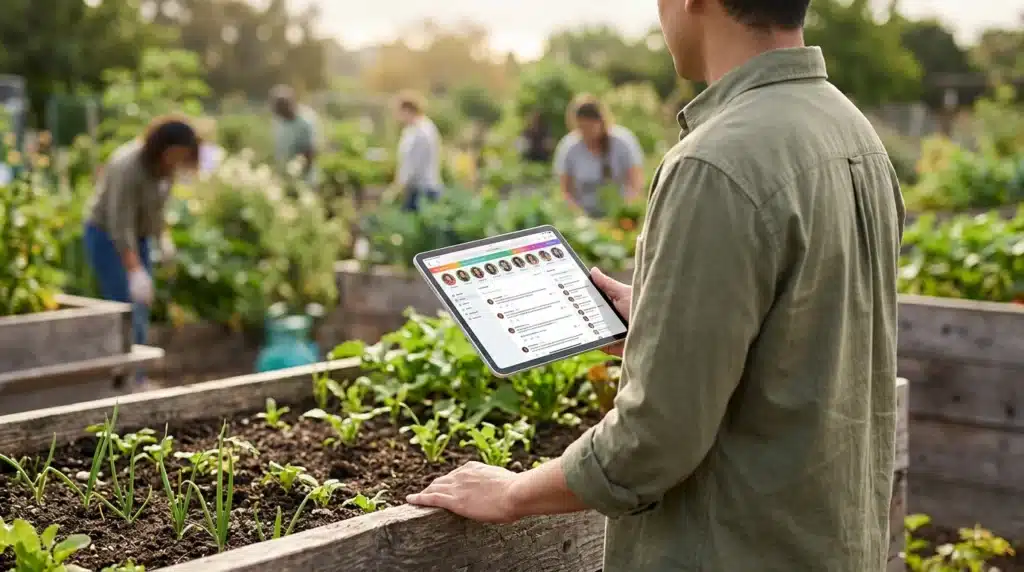
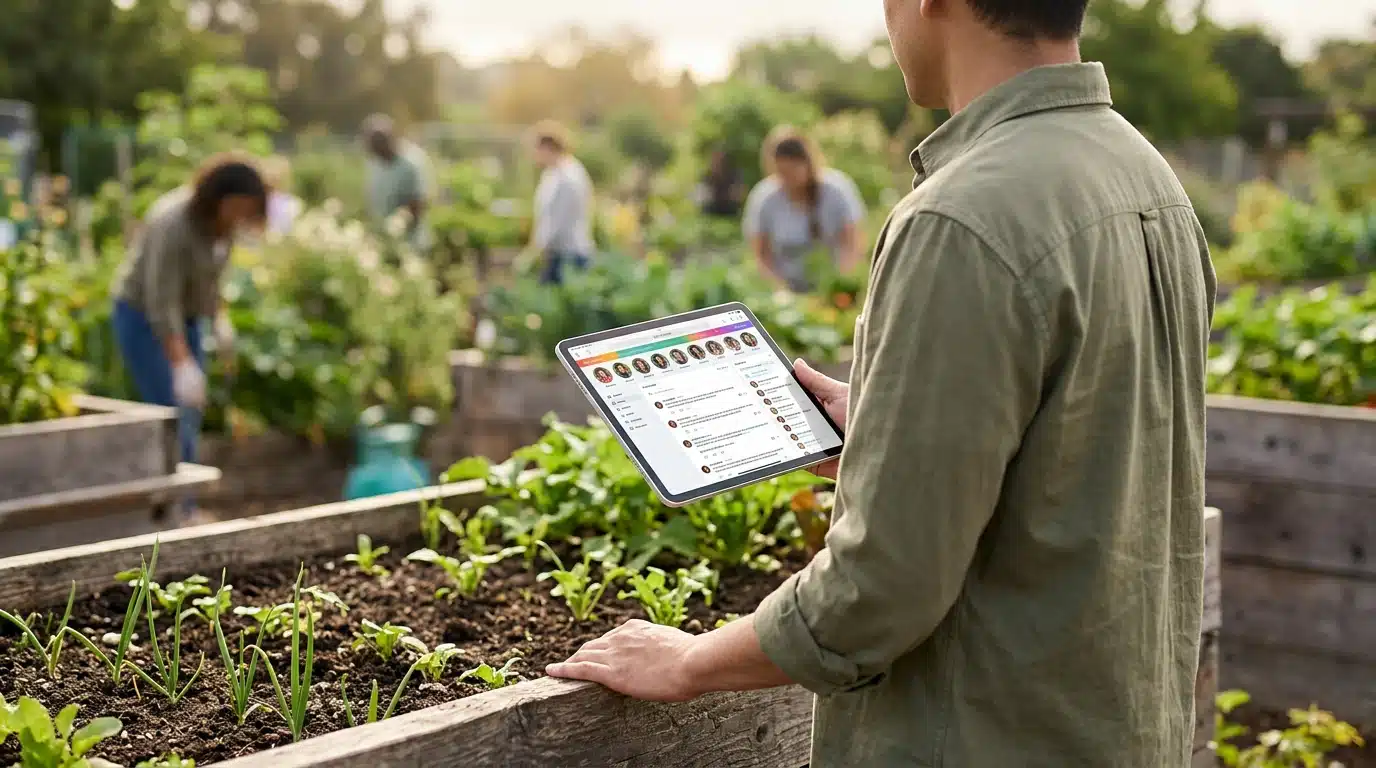
We see this energy in the resurgence of farmers’ markets, the popularity of neighborhood art walks, and the growth of community gardens, some of which are tied to broader Sustainable Living Practices. These initiatives do more than just circulate money within a local economy. They rebuild the very fabric of social connection, creating opportunities for the kind of spontaneous, face-to-face interactions that many feel have been lost.
The most compelling examples are hybrid models. A group of vintage clothing enthusiasts might organize on Discord but host a pop-up market in a local park, using digital tools to facilitate a real-world event. They use technology not to replace reality, but to organize and amplify it. The critical question for the future is not about choosing one over the other, but about how we can best blend these two powerful forces to foster a richer, more layered American life.
Creative Expression in the AI Era: Opportunities and Ethical Dilemmas
The relationship between artists and their tools is undergoing a profound shift. Artificial intelligence is no longer a futuristic concept but a present-day reality in studios and home offices across America, acting as everything from a simple assistant to a full-blown collaborator. For many, this represents an exciting frontier in digital creativity, while for others, it raises complex questions about the very nature of art itself. It’s a complicated, messy, and fascinating development.
What most people miss is that this isn’t about robots replacing painters. Instead, it’s about augmenting human imagination. The data suggests a rapid adoption curve; a recent study from Stanford’s Institute for Human-Centered Artificial Intelligence found that over 58% of professional graphic designers in the U.S. have used generative AI in their workflow. This is a massive leap in a very short time.
AI as a Creative Collaborator: New Horizons
Think of AI not as the artist, but as a new kind of instrument. A musician might use a synthesizer to create sounds impossible with a piano, and similarly, a visual artist can use an AI image generator to explore textures and compositions that would take weeks to produce by hand. This partnership allows for rapid prototyping and the exploration of countless “what if” scenarios. What if this photograph had the lighting of a Rembrandt painting? An AI can generate that variation in seconds.
This collaboration is opening doors in fields beyond visual arts. Musicians are using AI to compose harmonies or generate unique drum patterns, while writers employ language models to brainstorm plot points or overcome writer’s block. It’s less about outsourcing the core creative act and more about expanding the toolkit — much like the invention of the camera freed painters from the burden of pure representation. The focus shifts from technical execution to conceptual direction.
Here’s a quick look at some of the tools artists are using:
| Creative Field | Popular AI Tools | Primary Use Case |
|---|---|---|
| Visual Arts & Design | Midjourney, DALL-E 3, Stable Diffusion | Generating images from text prompts, concept art, mood boards. |
| Music Composition | Suno AI, Amper Music, AIVA | Creating royalty-free background music, generating melodies, lyric ideas. |
| Writing & Storytelling | GPT-4, Claude 3, Sudowrite | Brainstorming, drafting, editing assistance, character development. |
Navigating Intellectual Property and Authenticity
With these powerful new capabilities come significant ethical hurdles. The most pressing issue revolves around authorship and originality. If an artist uses an AI to generate an image based on a detailed prompt, who is the creator? The artist, the AI, or the company that developed the AI? The legal frameworks we have are struggling to keep up with the technology’s pace.
This ambiguity creates a minefield for creatives. Authenticity becomes a slippery concept when the “brushstrokes” are actually algorithmic calculations based on a massive dataset of pre-existing human art—often scraped from the internet without permission.
Copyright Challenges in AI-Generated Works
The U.S. Copyright Office has been clear on one point: a work must contain sufficient human authorship to be protectable. A purely AI-generated image, created with a simple prompt, currently cannot be copyrighted. the line gets blurry when an artist heavily manipulates, combines, or edits AI outputs as part of a larger, original piece. This is where the legal battles are starting to form, and it’s a key conversation within the broader topic of Ethical Technology.
Democratizing Creativity vs. Displacing Talent
One of the most celebrated arguments for creative AI is its democratizing potential. Someone without years of technical drawing practice can now visualize a complex scene, and a small business owner can generate a professional-looking logo without a big budget. This lowers the barrier to entry, allowing more people to engage in creative expression.
But there’s a flip side. Professional illustrators, stock photographers, and voice actors are facing real threats to their livelihoods as companies explore cheaper, AI-driven alternatives. The debate touches on underlying questions about the value of human skill and experience. Dr. Marcus Cole, a labor economist at the University of Chicago, explains, “We are seeing a potential decoupling of creative production from creative professionals, a trend that could reshape The Future of Work and Creativity entirely.” The challenge isn’t stopping the technology, but rather finding a new equilibrium where these tools support, rather than supplant, human talent.
We are seeing a potential decoupling of creative production from creative professionals, a trend that could reshape The Future of Work and Creativity entirely.
— Dr. Marcus Cole, Labor Economist, University of Chicago
| Cultural Trend | Key Characteristic |
|---|---|
| Community & Connection | A dual movement combining hyper-specific online groups with a renewed interest in local, face-to-face engagement. |
| Creativity & Technology | AI is being adopted as a powerful creative collaborator, raising complex ethical questions about authorship and artistic value. |
| Personal Growth | A shift away from productivity-focused “hustle culture” toward holistic well-being, mindfulness, and ‘slow living’. |
| National Identity | Global influences are creating a dynamic cultural “fusion,” where diverse elements add distinct character rather than melting together. |
The New Self-Improvement Landscape: Holistic Growth Beyond Productivity
For decades, the American approach to self-improvement was synonymous with productivity. The goal was to optimize every minute, master time-management hacks, and climb the career ladder with relentless efficiency. But a significant shift is underway. Americans are increasingly rejecting the “hustle culture” paradigm in favor of a more integrated and humane approach to personal development. This isn’t about laziness; it’s about redefining success.
The new focus is on holistic well-being, an understanding that mental, emotional, and physical health are deeply interconnected. Data from the American Institute of Stress shows that a high percentage of doctor’s office visits are for stress-related ailments, highlighting a clear need for change. People are realizing that a packed schedule and a promotion mean very little if you’re burned out and unhappy. The underrated factor here is the move from a life that looks good on paper to one that genuinely feels good to live.
Mindfulness and Emotional Resilience Practices
At the heart of this movement is the widespread adoption of mindfulness. Once considered a niche practice, it has entered the mainstream as a tool for managing the pressures of modern life. This goes far beyond just using a meditation app for ten minutes. It involves incorporating practices like intentional breathwork, gratitude journaling, and single-tasking into daily routines to foster a state of present-moment awareness. The goal is not to empty the mind, but to observe its activity without judgment.
This practice builds emotional intelligence and resilience. Think of it like a car’s suspension system. A cheap system makes you feel every single bump and pothole, rattling you to the core. A well-designed one, absorbs the shocks so you can navigate a rough road without falling apart. What does this look like in human terms? It’s the ability to feel an emotion like anger or anxiety without letting it hijack your entire day, a key component explored in many Mindfulness and Well-being strategies.
The Rise of ‘Slow Living’ and Digital Detox
Growing alongside mindfulness is the philosophy of ‘slow living.’ This is a conscious rebellion against the idea that faster is always better. It champions a more deliberate and meaningful pace of life, whether that means cooking a meal from scratch, taking a long walk without a destination, or simply reading a book without interruption. It is a direct counter-narrative to the constant stimulation that defines so much of our experience.
A huge part of this is the digital detox. Our devices, while connecting us in many ways, also create a state of perpetual distraction and comparison. The constant stream of notifications and information overload contributes heavily to mental fatigue. Recognizing this, people are actively seeking ways to disconnect and reclaim their attention—a challenge that touches upon questions of Ethical Technology and its place in our lives.
Strategies for Disconnecting in a Hyper-Connected World
Regaining control from our devices requires deliberate action and setting firm boundaries. It’s not about throwing your smartphone away, but about using it on your own terms. A few simple strategies can make a substantial difference in reducing digital noise and improving mental clarity. Many people find that implementing a few consistent rules is surprisingly effective.
- Establish “No-Phone Zones”: Make specific areas of your home, like the dinner table or the bedroom, completely screen-free zones.
- Schedule Tech-Free Time: Block out an hour or even a full day on your calendar—like a “Digital Sabbath”—to engage in offline activities.
- Curate Your Feeds: Unfollow accounts that trigger anxiety or feelings of inadequacy. Fill your social media with content that is genuinely inspiring or educational.
- Practice Monotasking: When you’re working on a task, close all other tabs and turn off notifications. Give your full attention to one thing at a time (yes, that includes during conversations).
Personalized Learning and Skill Acquisition for Life
The new self-improvement landscape also redefines learning. It’s moving away from acquiring skills solely for career advancement and toward learning for personal fulfillment and life enhancement. This could mean learning to play a musical instrument, mastering a new language, taking a pottery class, or finally figuring out how to build a personal budget. It’s about cultivating curiosity and enriching your life beyond the 9-to-5.
Dr. Marcus Thorne, a sociologist studying social trends at Stanford University, suggests this is tied to a search for a more authentic identity. “When your job is no longer the sole source of your identity, you have to find it elsewhere,” he explains. “Acquiring skills that have nothing to do with your profession is a powerful way of building a more complex and resilient sense of self.” This approach to development creates a personal toolkit for navigating not just a career, but life itself, shaping how we think about The Future of Work and Creativity.
Cultural Fusion: How Global Influences Shape American Identity
The classic “melting pot” metaphor for American culture feels a bit outdated. A more accurate picture might be a complex, ever-changing recipe where new ingredients don’t just dissolve but add distinct flavor and texture. This continuous process of cultural exchange is fueled by immigration and digital globalization, constantly reshaping what it means to be American.
You can see it happening right on your dinner plate. Trends like Korean BBQ tacos or Filipino ube desserts have moved from niche neighborhood spots to mainstream menus with surprising speed. According to Dr. Elena Vance, a sociologist at the University of Chicago, “Digital platforms accelerate the adoption curve of cultural trends. A dish can go from a family kitchen in one country to a viral TikTok recipe in the U.S. in a matter of weeks, not years.” This isn’t just about food—it’s a pattern repeating across music, fashion, and even language.
This is where American identity becomes less of a monolith and more of a conversation. A recent report from the Cultural Studies Institute noted that over 40% of new English slang terms adopted by Gen Z have roots in other languages, primarily from online gaming and social media communities. The underrated factor here is how these small shifts collectively redefine the cultural baseline for everyone, whether they realize it or not.
Ultimately, this constant influx of global ideas keeps the national identity dynamic. It challenges old norms and creates new traditions, making the topic of Understanding American Identity a perpetually evolving subject. This fusion is the engine of cultural relevance.
Sustainable Living and Conscious Consumption: A Cultural Imperative
A significant cultural current is pulling Americans toward a more considered way of living, where sustainability is less a niche hobby and more of a core value. This shift extends far beyond sorting recyclables; it’s about fundamentally rethinking our relationship with the things we buy, use, and discard. The conversation has moved from simple conservation to conscious consumerism, prompting a re-evaluation of what it means to live well in the modern world.
This change is driven by a growing awareness of the environmental and social costs of our habits. It’s a quiet revolution happening in grocery aisles, closets, and kitchens across the country.
From Farm-to-Table to Zero-Waste: Lifestyle Shifts
The farm-to-table movement was just the beginning, popularizing local sourcing and seasonal eating. Now, that ethos has expanded into a broader push for zero-waste lifestyles. People are actively seeking ways to reduce their footprint by using reusable containers, composting food scraps, and rejecting single-use plastics. What most people miss is how this connects personal action to a larger sense of purpose, blending self-improvement with planetary health.
This isn’t just a fringe movement. A recent survey from the Shelton Group found that 64% of Americans believe that a product’s environmental and social benefits are important factors in their purchasing decisions. Adopting these habits is a lot like learning to cook a complex new dish; it feels awkward at first, but with practice, the steps become second nature. This focus on intentional living shares common ground with the principles of Mindfulness and Well-being, suggesting a deeper cultural alignment.
The Influence of Ethical Sourcing on Consumer Behavior
Beyond personal habits, this consciousness is directly impacting commerce. Consumers are increasingly demanding transparency from companies, asking tough questions about where materials come from and how workers are treated. But how much are people really willing to pay for their principles? The tension between affordability and ethics is most visible in the fashion industry.
The debate often centers on fast fashion versus its sustainable counterpart. Each presents a different value proposition to the consumer, forcing a choice between immediate gratification and long-term impact.
Fast Fashion vs. Sustainable Fashion
- Fast Fashion: The primary appeal is its accessibility, offering trendy styles at very low prices. The major con is its well-documented environmental toll—from water pollution to landfill waste—and frequent association with poor labor conditions.
- Sustainable Fashion: Its main advantage is the use of eco-friendly materials and a commitment to ethical choices in its supply chain. The drawback, for many, is the higher price point and a style that is often less trend-focused and more timeless (which can be a pro or con, depending on your perspective).
Dr. Anya Sharma, a sociologist at Georgetown University specializing in consumer trends, explains that “brand transparency is becoming the new currency of trust.” People want to support companies that align with their values. This evolving standard is not just about what is being sold, but how it’s made, creating a direct link between a purchase and its global ripple effects. The challenge ahead will be making these Sustainable Living Practices accessible to everyone, not just a privileged few.
Where Do We Go From Here?
The cultural shifts explored—from our hybridized communities to our AI-augmented creativity and our search for holistic growth—are not passive trends we merely observe. They are active conversations that each of us participates in, whether consciously or not. The future of American culture isn’t a pre-written script, but a collaborative project shaped by millions of individual choices. As we stand at this crossroads, the critical question is not what will happen next, but what role we will choose to play. Which of these emerging currents will you reinforce with your attention and actions, and which will you choose to resist or reshape?
Frequently Asked Questions
How are digital platforms changing how Americans connect?
Digital platforms enable Americans to form hyper-specific niche communities based on shared interests that transcend geography. These online spaces provide deep belonging and skill exchange. They also serve as powerful tools to organize and amplify real-world local events, blending digital networks with tangible, face-to-face interaction.
What are the biggest ethical concerns surrounding AI in creative fields?
The primary ethical concerns involve authorship and intellectual property, as legal frameworks struggle to define who owns AI-assisted creations. There is also significant debate around authenticity, as AI models are often trained on vast datasets of human art without consent. the potential for AI to displace human creative professionals is a major economic and social concern.
Beyond productivity, what new aspects of personal growth are gaining traction?
New aspects of personal growth are moving beyond productivity to focus on holistic well-being. This includes the widespread adoption of mindfulness and emotional resilience practices to manage stress. philosophies like ‘slow living’ and implementing digital detoxes are gaining traction as people seek a more deliberate and meaningful pace of life.
In what ways are global cultures most visibly impacting American daily life?
Global cultures are most visibly impacting American life through a process of fusion rather than simple assimilation. This is evident in the diversification of food, with cuisines and ingredients from around the world becoming mainstream staples. It’s also seen in media consumption, music genres, and the integration of foreign words and phrases into everyday language.
How can individuals contribute to more sustainable cultural practices?
Individuals can contribute by actively participating in their local economies, such as supporting farmers’ markets, neighborhood art walks, and community gardens. Engaging in the circular economy by frequenting vintage or secondhand shops is another impactful choice. These actions help build resilient local communities and reduce the environmental footprint of our consumption habits.