Future of Creator Economy: Platforms & Income 2026
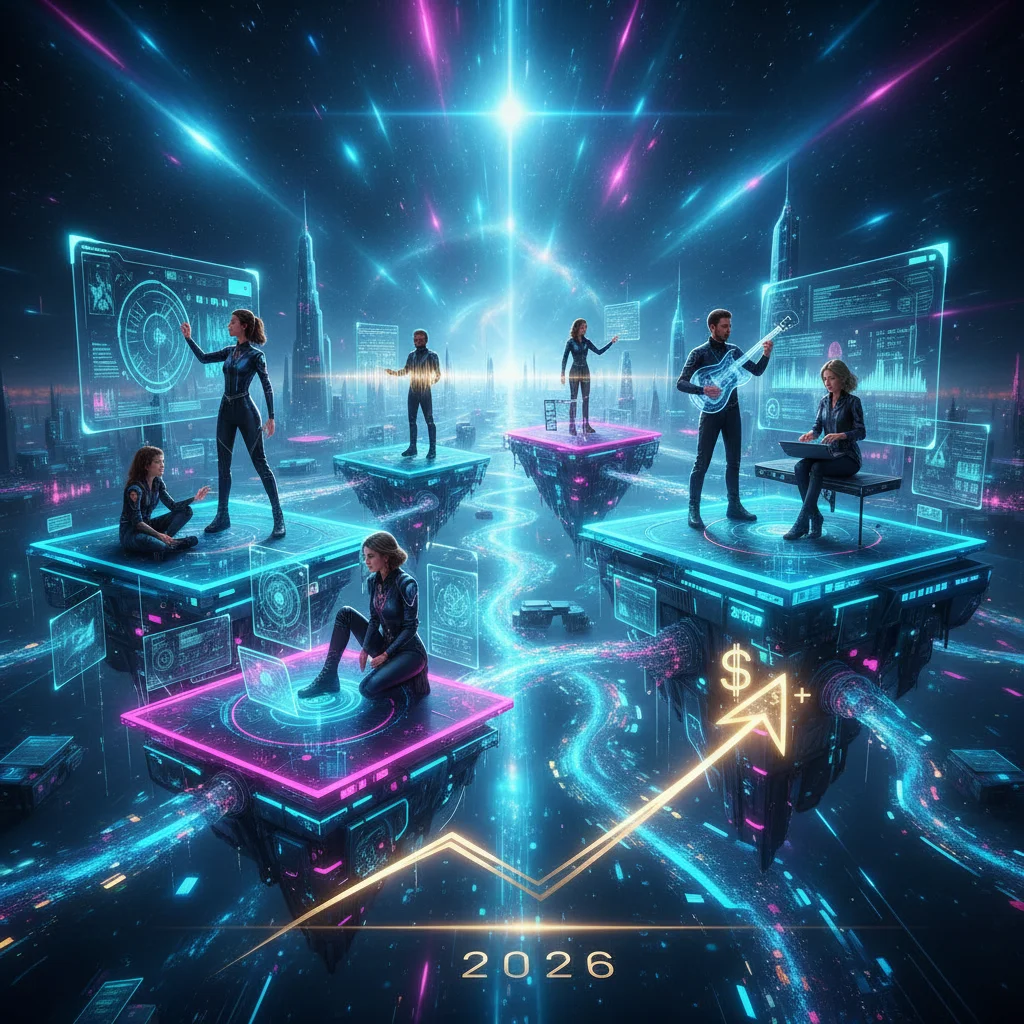
The 2026 Creator Economy: How Shifting Platforms Impact Your Artistic Income by 15%
The digital landscape is a constantly evolving canvas, and for artists, writers, musicians, and all forms of content creators, understanding its shifts is not just an advantage—it’s a necessity for survival and growth. As we hurtle towards 2026, the creator economy platforms are undergoing a profound transformation. This isn’t just about new apps emerging; it’s a fundamental re-evaluation of how value is created, distributed, and monetized. For those who adapt, the potential for a significant uplift in artistic income, potentially by as much as 15%, is within reach. But what exactly are these shifts, and how can you, as a creator, position yourself to thrive?
The past decade has seen an explosion of opportunities for individuals to turn their passions into professions. From YouTube stars and Instagram influencers to Substack writers and Patreon artists, the avenues for direct audience engagement and monetization have multiplied. However, this proliferation has also led to saturation, algorithm changes, and increasing competition. The 2026 creator economy will demand a more strategic, diversified, and community-focused approach. The era of relying on a single platform for all your income is rapidly fading; the future belongs to those who understand the intricate dance between multiple digital ecosystems.
This comprehensive guide will delve into the anticipated changes in the creator economy platforms, explore the new monetization models gaining traction, and provide actionable strategies to help you not only navigate but also capitalize on these shifts. We’ll look at the rise of Web3, the resurgence of niche communities, the power of ethical AI, and the importance of owning your audience. By the end, you’ll have a clearer roadmap for securing and potentially boosting your artistic income in the dynamic digital world of 2026.
Understanding the Evolution of Creator Economy Platforms
To truly grasp where we’re headed, we must first acknowledge where we’ve been. The initial wave of the creator economy was largely dominated by centralized platforms like YouTube, Facebook, and Instagram. These platforms offered unparalleled reach and made it easy for anyone to become a ‘creator.’ However, they also dictated terms, owned the audience data, and controlled monetization. This led to creators being vulnerable to algorithm changes, demonetization, and opaque revenue sharing models. The power dynamic was heavily skewed towards the platforms, not the creators.
The next phase saw the rise of ‘creator-centric’ platforms like Patreon, Substack, and Twitch, which prioritized direct audience support through subscriptions, memberships, and tips. These platforms offered more control and better revenue shares, fostering a sense of community and direct connection. While a significant improvement, creators still operated within the confines of these platforms, subject to their policies and technical infrastructure. The core issue of not truly ‘owning’ their audience or content remained a subtle but persistent challenge.
The Web3 Revolution and Decentralization
Looking towards 2026, the most disruptive force shaping creator economy platforms is undoubtedly Web3. Built on blockchain technology, Web3 promises a decentralized internet where users, not corporations, own their data and digital assets. For creators, this translates into unprecedented control and new monetization avenues. Non-Fungible Tokens (NFTs) are just the tip of the iceberg. Imagine owning the rights to your digital art, music, or written content in an immutable way, allowing for transparent royalty payments, fractional ownership, and direct fan engagement without intermediaries.
Decentralized Autonomous Organizations (DAOs) are also poised to empower creators. DAOs can allow communities of fans and creators to collectively own and govern projects, intellectual property, or even entire platforms. This shifts the power from a single corporate entity to a collective, where creators have a direct say in the rules, funding, and future direction. This move towards decentralization fundamentally alters the relationship between creators, their audience, and the platforms they use, fostering a more equitable and transparent ecosystem.
Niche Platforms and Hyper-Personalization
While large platforms will continue to exist, 2026 will see a significant rise in highly specialized, niche platforms. As the internet becomes more crowded, creators and audiences alike are seeking more curated, intimate experiences. These niche platforms cater to specific interests, fostering deeper engagement and more dedicated communities. Think platforms dedicated solely to indie game development, experimental poetry, specific craft communities, or hyper-local news. For creators, this means less competition for attention within a vast ocean and more opportunity to connect with a highly passionate, ready-to-support audience.
Hyper-personalization will also play a crucial role. AI-driven recommendation engines will become even more sophisticated, not just suggesting content, but actively connecting creators with their ideal audience segments across various platforms. This will move beyond simple topic matching to understanding nuances in style, tone, and community values, making discovery more efficient for both creators and consumers. The challenge for creators will be to understand these algorithms and optimize their content for these highly targeted distribution channels.
New Monetization Models and Income Diversification
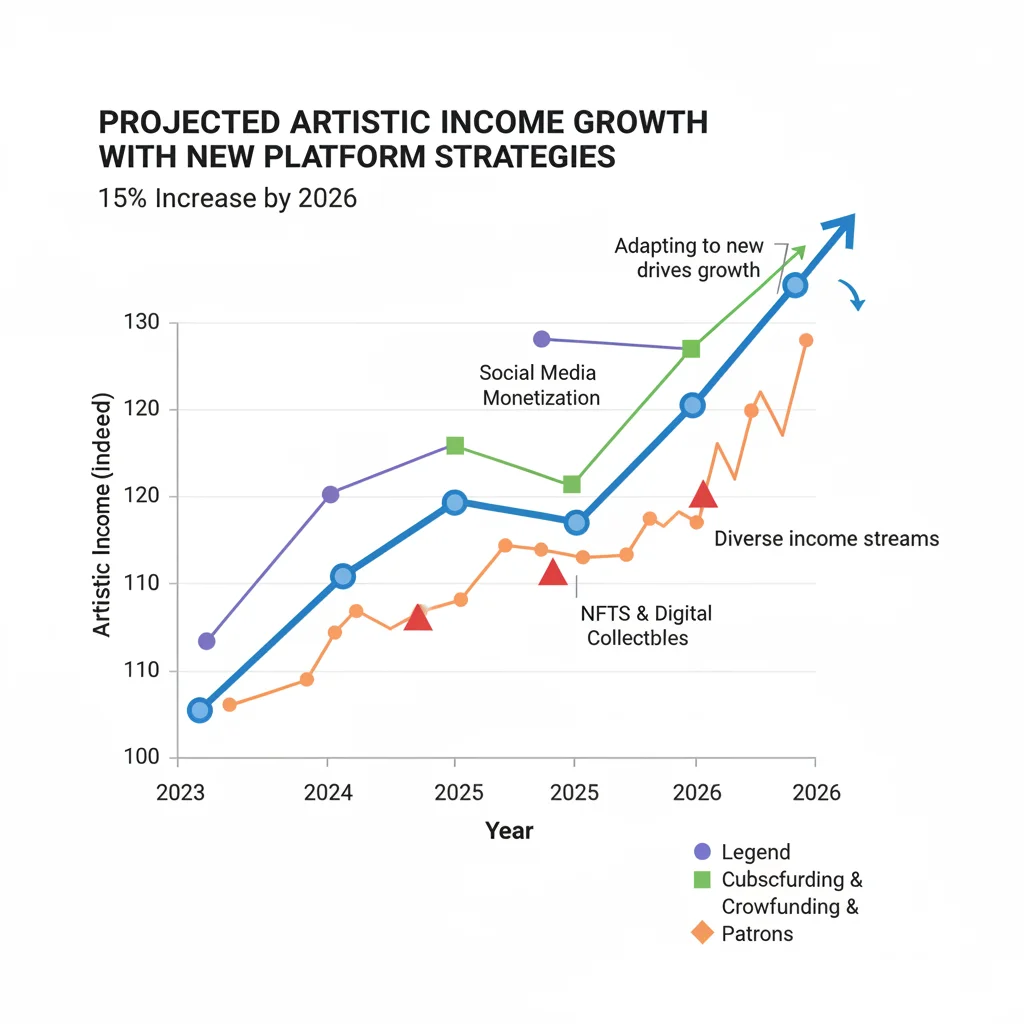
The traditional advertising and subscription models, while still relevant, will be augmented and, in some cases, overshadowed by innovative new ways to generate income. A 15% increase in artistic income by 2026 for adaptable creators will hinge on their ability to embrace and integrate these diverse monetization strategies.
The Rise of Creator Tokens and Social Tokens
Beyond NFTs, creator tokens (or social tokens) are emerging as a powerful tool for community building and monetization. These are cryptocurrencies issued by individual creators or communities, offering exclusive access, voting rights, or unique benefits to holders. Imagine a musician issuing their own token, allowing fans to buy a stake in their future royalties or gain access to private concerts and unreleased tracks. This creates a direct economic alignment between creators and their most dedicated fans, fostering a sense of ownership and shared success.
For artists, this means an entirely new revenue stream that bypasses traditional gatekeepers and allows for direct value exchange. It’s a way to build a micro-economy around your personal brand, where the value of your token can grow with your influence and the strength of your community. Understanding the tokenomics and community management aspects will be crucial for creators looking to leverage this trend.
Fractional Ownership and Decentralized IP
The concept of fractional ownership, enabled by blockchain, allows multiple individuals to own a piece of a digital asset. For creators, this opens up possibilities for crowdfunding projects where supporters become co-owners of the intellectual property (IP), sharing in future profits. An independent film could be funded by thousands of fans, each owning a small percentage of the film’s revenue stream. This democratizes investment in creative projects and provides creators with capital without relinquishing full control to traditional investors.
Decentralized IP management means that the provenance and ownership of creative works are transparent and verifiable on a blockchain. This could significantly reduce issues of copyright infringement and ensure creators are properly compensated for the use of their work across various creator economy platforms. Smart contracts can automatically distribute royalties whenever a piece of content is used, streamed, or sold, ensuring fair and immediate payment.
Immersive Experiences and the Metaverse
The burgeoning metaverse, a persistent, interconnected virtual world, presents an entirely new frontier for creators. Artists can design virtual galleries, musicians can host concerts in digital arenas, and writers can create interactive narratives within these immersive spaces. The monetization opportunities are vast: selling virtual goods (skins, wearables, digital art), charging for access to exclusive experiences, or even creating entire virtual economies within their own metaverse environments.
As VR and AR technologies become more accessible, the demand for high-quality, engaging content within these virtual worlds will skyrocket. Creators who develop skills in 3D modeling, virtual world design, and interactive storytelling will be uniquely positioned to tap into this multi-billion dollar market. The metaverse is not just a game; it’s a new medium for artistic expression and economic opportunity.
Strategies for Creators to Thrive in 2026
Navigating these shifts requires a proactive and adaptable mindset. Here are key strategies for creators to not only maintain but significantly grow their artistic income by 2026.
1. Embrace Platform Agnosticism and Diversification
The days of putting all your eggs in one platform basket are over. Successful creators in 2026 will be platform-agnostic, understanding that each platform serves a different purpose and audience. They will strategically diversify their presence across multiple creator economy platforms, using each for its unique strengths. For example, using TikTok for short-form discovery, YouTube for long-form educational content, Substack for premium written content, and a personal website for direct sales and community hub.
Diversification isn’t just about presence; it’s about income streams. Relying on a single source of income, whether it’s ad revenue or Patreon subscriptions, leaves you vulnerable. Aim for a mix of direct fan support, product sales (digital and physical), brand partnerships, licensing, and potentially token-based economies. This creates a resilient income portfolio that can weather platform changes or economic downturns.
2. Own Your Audience and Data
This is perhaps the most critical lesson for creators. While platforms offer reach, they ultimately own the relationship with your audience. In 2026, successful creators will actively work to ‘own’ their audience by moving them off rented land. This means building an email list, fostering private communities (Discord, Slack, or even token-gated groups), and directing traffic to your own website or independent platforms.
Owning your audience means you have direct communication channels, are not beholden to platform algorithms, and can directly market your offerings. It also means you have access to your own audience data, allowing for deeper insights into their preferences, demographics, and behaviors, which can inform content strategy and product development. This direct relationship is the ultimate safeguard against platform volatility.
3. Master Community Building and Engagement
In a hyper-connected yet often isolating digital world, community is currency. The 2026 creator economy will reward creators who are exceptional community builders. This goes beyond simply responding to comments; it involves fostering a sense of belonging, co-creation, and shared purpose among your audience. Engage with your fans, ask for their input, and create spaces where they can interact with each other.
Token-gated communities, exclusive Discord servers, and interactive live streams are just some of the ways creators can deepen engagement. The more invested your community feels, the more likely they are to support you financially, spread your message, and become advocates for your work. A strong community is a powerful buffer against the unpredictable nature of external platforms.
4. Leverage Ethical AI as a Creative Partner
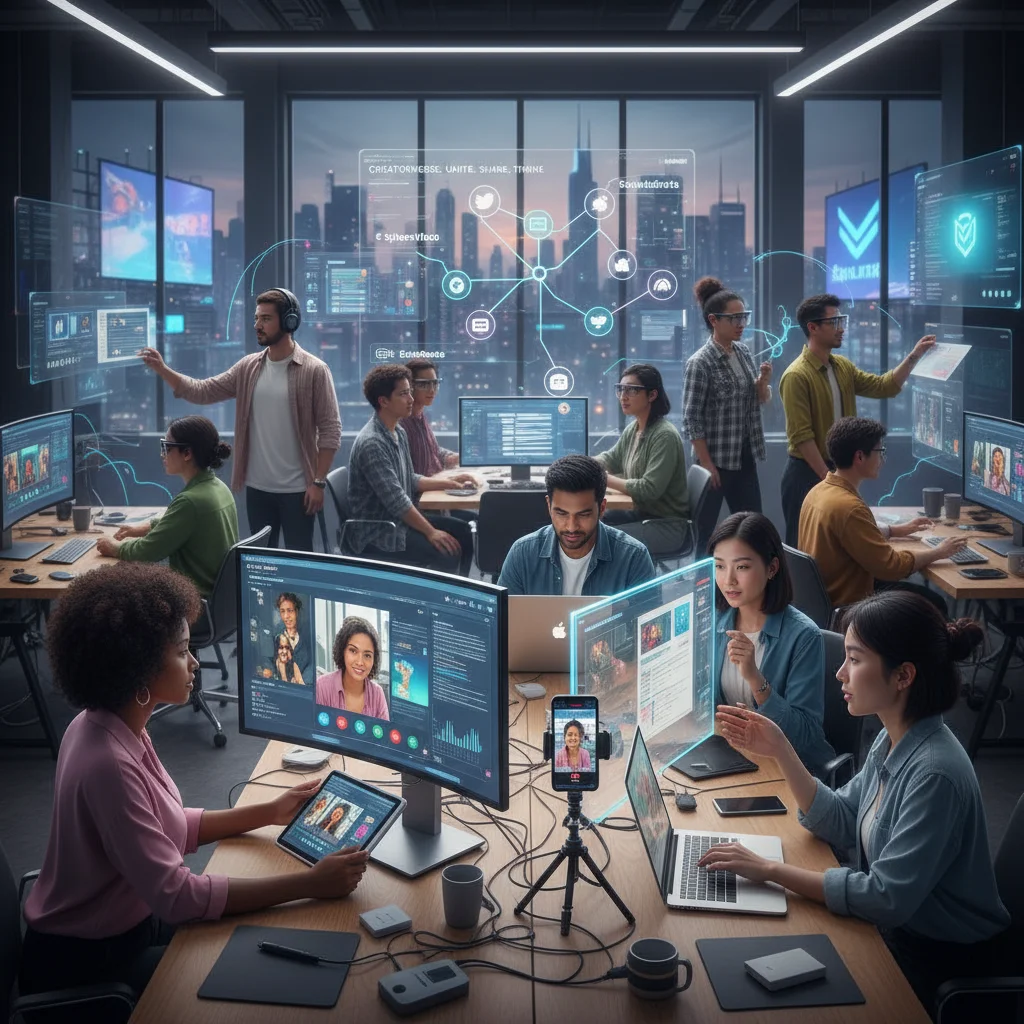
AI is no longer a futuristic concept; it’s a present-day tool. By 2026, creators who ethically integrate AI into their workflow will gain a significant edge. This doesn’t mean replacing human creativity, but augmenting it. AI can assist with content generation (drafting ideas, generating variations), audience analysis (identifying trends, optimizing publishing times), marketing (personalizing outreach, automating social media posts), and even creative tasks like generating background music or visual elements.
The key is ‘ethical AI.’ Understand the biases inherent in AI models, ensure proper attribution if AI-generated elements are used, and maintain your unique human voice and perspective. AI should be a tool to free up your time for higher-level creative work, not a replacement for your core artistic identity. Creators who learn to prompt effectively and integrate AI seamlessly into their process will be more efficient and productive.
5. Adapt to Immersive Content Formats
As mentioned with the metaverse, new content formats are emerging. Creators who experiment with and adapt to immersive experiences, interactive content, and spatial computing will capture new audiences and monetization opportunities. This could involve creating augmented reality filters, developing interactive games, producing 360-degree videos, or designing virtual experiences.
Even if you’re not a 3D artist, understanding the principles of immersive design and how your content can translate into these new mediums will be crucial. Partnerships with specialists in these fields can open doors to innovative projects and revenue streams that are currently nascent but will be mainstream by 2026.
6. Master Personal Branding and Storytelling
In a crowded digital world, your personal brand is your most valuable asset. By 2026, creators who tell compelling stories about themselves, their process, and their mission will stand out. Authenticity, transparency, and a clear articulation of your unique value proposition are paramount. Your brand isn’t just your logo or aesthetic; it’s the sum total of every interaction and piece of content you put out.
Strong personal branding helps you attract your ideal audience, build trust, and command higher prices for your work. It also provides a consistent narrative across all creator economy platforms, making you memorable and relatable. Invest time in defining your brand identity and consistently communicating your story to the world.
Challenges and Considerations
While the opportunities are immense, creators must also be aware of the challenges that will accompany these shifts.
- Technological Learning Curve: Embracing Web3, AI, and metaverse technologies requires learning new skills and understanding complex concepts. Creators will need to dedicate time to education and experimentation.
- Regulatory Uncertainty: The decentralized nature of Web3 and the rapid evolution of digital assets mean that regulatory frameworks are still catching up. This can introduce risks and uncertainties for creators operating in these spaces.
- Digital Fatigue and Burnout: The pressure to be present across multiple platforms and constantly innovate can lead to creator burnout. Maintaining a healthy work-life balance and delegating tasks will be crucial.
- Audience Fragmentation: While niche platforms offer deep engagement, they can also lead to audience fragmentation, making it harder to reach a broad audience if that is a creator’s goal.
- Security Risks: With greater ownership comes greater responsibility. Creators engaging with Web3 technologies will need to be highly vigilant about digital security, protecting their digital assets and personal information.
Addressing these challenges proactively will be integral to a creator’s success. Building a strong support network, staying informed about industry developments, and prioritizing mental well-being are not just optional extras but essential components of a sustainable creative career in 2026.
Conclusion: The Empowered Creator of 2026
The 2026 creator economy is not just a slightly altered version of today’s; it’s a fundamentally reshaped landscape. The shift away from centralized control towards decentralization, the rise of niche communities, and the integration of advanced technologies like Web3 and AI are creating unprecedented opportunities for creators to gain more control, diversify their income, and deepen their connection with their audience. The projected 15% increase in artistic income for those who adapt is not a pipe dream but a realistic outcome for creators who are strategic, innovative, and audience-focused.
To thrive in this new era, creators must move beyond passive participation in existing platforms. They must become active architects of their own digital destiny, embracing platform agnosticism, owning their audience, building strong communities, and leveraging ethical AI as a creative partner. The future belongs to the empowered creator—the one who understands that true success lies not in chasing algorithms, but in building resilient, diversified, and community-driven creative enterprises.
Start experimenting now. Explore decentralized platforms, engage with your audience on a deeper level, and educate yourself on emerging technologies. The creators who proactively embrace these changes will not only navigate the evolving digital currents but will also harness them to propel their artistic careers to new heights by 2026 and beyond. Your creative future is in your hands; seize the opportunity to reshape it.