Unlock Creative Project Funding: 2026 Grants with 10% Higher Success Rate

The pursuit of artistic and creative endeavors is a journey fueled by passion, vision, and often, the elusive yet essential element of funding. For many artists, innovators, and cultural organizations, securing the necessary financial resources is the bridge between a brilliant idea and its tangible realization. As we look ahead to 2026, the landscape for creative project funding continues to evolve, presenting both challenges and unprecedented opportunities. This comprehensive guide is designed to empower you with the knowledge and strategies to not only navigate this landscape but to significantly increase your success rate in acquiring grants and other funding for your creative projects.
Imagine a world where your creative visions aren’t stifled by financial constraints, but rather amplified by strategic investment. This is the goal we aim to help you achieve. By focusing on key trends, understanding the nuances of various funding streams, and adopting a proactive, well-informed approach, you can realistically aim for a 10% higher success rate in securing creative project funding in 2026. This isn’t just about finding money; it’s about building sustainable pathways for your art to thrive.
Understanding the 2026 Funding Landscape for Creative Project Funding
The year 2026 is poised to bring a dynamic shift in how creative projects are funded. Post-pandemic recovery efforts, coupled with an increased global emphasis on cultural resilience and digital innovation, are reshaping priorities for funders. Governments, private foundations, and corporate sponsors are increasingly recognizing the vital role of arts and culture in societal well-being, economic development, and fostering community cohesion. This recognition translates into new programs, expanded budgets, and a more diverse range of funding opportunities.
Emerging Trends in Creative Project Funding
- Digital Transformation & Hybrid Models: Projects that seamlessly integrate digital components, whether for creation, dissemination, or audience engagement, are gaining traction. Funders are keen on supporting initiatives that leverage technology to reach wider audiences and explore new artistic forms.
- Social Impact & Community Engagement: There’s a growing preference for projects that demonstrate clear social impact, address community needs, or promote diversity, equity, and inclusion (DEI). Art for social change is a powerful narrative that resonates deeply with many grant-making bodies.
- Sustainability & Environmental Consciousness: Creative projects that incorporate sustainable practices, address climate change themes, or utilize eco-friendly materials are increasingly favored. This aligns with broader global environmental goals.
- Interdisciplinary Collaboration: Funders are often excited by projects that bridge different artistic disciplines or even cross over into science, technology, engineering, and mathematics (STEM). These collaborations often lead to innovative outcomes and broader societal relevance.
- Capacity Building & Artist Development: Beyond project-specific grants, there’s an emphasis on funding that supports the long-term professional development of artists and the organizational capacity of cultural institutions.
Understanding these trends is your first step towards tailoring your proposals to align with funder priorities, thereby significantly increasing your chances of securing creative project funding.
Strategic Approaches to Boost Your Grant Success Rate
Achieving a 10% higher success rate isn’t about luck; it’s about methodical preparation and strategic execution. Here are actionable strategies to enhance your grant applications.
1. Thorough Research and Funder Alignment
The most common mistake applicants make is applying to every available grant. This scattergun approach is inefficient and yields low success rates. Instead, focus on meticulous research to identify funders whose mission, values, and funding priorities perfectly align with your project. Read their guidelines carefully, review their past grantees, and understand their strategic goals for 2026.
Actionable Tip: Create a detailed spreadsheet of potential funders. Include columns for their mission statement, typical grant amounts, application deadlines, eligibility criteria, and specific areas of interest. Prioritize those that are a near-perfect match for your creative project funding needs.
2. Crafting a Compelling Narrative
Your project is more than just a series of activities; it’s a story. Funders want to be inspired and convinced of your project’s significance. Develop a compelling narrative that articulates:
- The ‘Why’: What problem does your project address? What unique insight or perspective does it offer?
- The ‘What’: Clearly describe your project, its goals, objectives, and expected outcomes. Be specific and avoid jargon.
- The ‘How’: Detail your methodology, timeline, and the resources required. How will you achieve your goals?
- The ‘Who’: Introduce your team and their qualifications. Why are you the right people to execute this project?
- The ‘Impact’: What lasting change or benefit will your project bring to individuals, communities, or the artistic field?
A strong narrative transforms your application from a mere request for funds into an invitation to invest in a meaningful venture. This is crucial for securing creative project funding.
3. Demonstrating Feasibility and Capacity
Funders are risk-averse. They want assurance that their investment will be well-managed and that your project has a high probability of success. This means:
- Realistic Budget: Present a clear, detailed, and realistic budget. Justify every expense and demonstrate cost-effectiveness.
- Achievable Timeline: Provide a well-structured project timeline with clear milestones.
- Team Expertise: Highlight the experience and qualifications of your project team members. Include resumes or bios.
- Partnerships & Support: If you have letters of support from community organizations, mentors, or other stakeholders, include them. They validate your project’s relevance and potential impact.

4. Emphasizing Measurable Outcomes and Evaluation
In 2026, funders are increasingly data-driven. They want to see how their investment translates into tangible results. Clearly define your project’s measurable outcomes and how you will evaluate its success.
- Quantitative Metrics: Examples include audience numbers, participant demographics, number of workshops conducted, media impressions, or sales figures for creative products.
- Qualitative Metrics: This could involve feedback surveys, testimonials, artistic reviews, or documented stories of impact.
A robust evaluation plan not only demonstrates accountability but also provides valuable insights for future projects, making your application for creative project funding more appealing.
5. Building Relationships with Funders
While not always possible for every grant, cultivating relationships with program officers can be invaluable. Attend webinars, information sessions, or networking events hosted by potential funders. When appropriate, reach out with specific, well-researched questions about their priorities. This shows genuine interest and helps you tailor your application more effectively.
Key Creative Project Funding Opportunities in 2026
The landscape of funding opportunities is vast and varied. Here’s a breakdown of common sources you should explore for creative project funding in 2026:
1. Government Grants
Governments at local, state, and national levels often have significant budgets dedicated to arts and culture. These grants can be highly competitive but also offer substantial funding.
- National Endowment for the Arts (NEA – USA): A primary source for arts funding in the United States, supporting a wide range of artistic disciplines.
- Arts Councils (State/Regional): Many states and regions have their own arts councils (e.g., California Arts Council, Arts Council England, Canada Council for the Arts) that offer grants tailored to local artistic communities.
- Municipal Arts Programs: Cities often have cultural affairs departments that provide grants for local artists and organizations.
- International Cultural Exchange Programs: For projects with an international dimension, consider grants from cultural ministries or international collaboration funds.
Tip: Government grants often have strict eligibility criteria and extensive application processes. Start early and ensure all documentation is meticulously prepared.
2. Private Foundations
Private foundations are a cornerstone of creative project funding. They vary widely in their focus, from supporting specific art forms to addressing broader social issues through art.
- Ford Foundation, Mellon Foundation, Rockefeller Foundation: These large foundations often have dedicated arts and culture programs.
- Smaller, Niche Foundations: Many smaller foundations focus on specific geographic areas, artistic disciplines (e.g., dance, theater, visual arts), or underrepresented groups. These can be less competitive and offer a higher chance of success if your project aligns perfectly.
Tip: Use databases like Foundation Directory Online, GrantStation, or local community foundation websites to identify foundations that match your project’s profile.
3. Corporate Sponsorships & Partnerships
Companies often seek to align with creative projects for brand exposure, corporate social responsibility (CSR) initiatives, or employee engagement. This is a distinct form of creative project funding that requires a different approach than traditional grants.
- Identify Aligned Brands: Look for companies whose values, target audience, or products resonate with your project.
- Propose Mutual Benefits: Clearly articulate what the company will gain from the partnership (e.g., brand visibility, positive PR, access to new demographics).
- Tailored Proposals: Unlike grants, corporate proposals should be more akin to business pitches, focusing on return on investment for the sponsor.
4. Arts Specific Organizations & Non-Profits
Many non-profit organizations exist solely to support artists within specific disciplines or communities. These can be excellent sources of creative project funding.
- Artist Residencies: Programs that offer space, time, and sometimes stipends for artists to develop new work.
- Professional Associations: Organizations like the Rauschenberg Foundation, Creative Capital, or local arts alliances often have grant programs, fellowships, or emergency funds.
- Crowdfunding Platforms: While not traditional grants, platforms like Kickstarter, Indiegogo, and Patreon can be powerful tools to raise funds directly from your audience and supporters.
Common Pitfalls to Avoid in Your Creative Project Funding Applications
Even with the best intentions, certain mistakes can derail an otherwise strong application. Being aware of these can help you avoid them and maintain that 10% higher success rate.
1. Ignoring Guidelines
This is perhaps the most critical error. Funders have specific instructions for a reason. Failing to adhere to word limits, formatting requirements, or submitting incomplete applications is an immediate disqualifier. Always read the guidelines thoroughly, and then read them again.
2. Lack of Clarity and Cohesion
Your writing should be clear, concise, and compelling. Avoid jargon unless it’s explicitly understood within the funder’s context. Ensure that all sections of your application flow logically and reinforce your core message. A confused funder is an unlikely funder for your creative project funding.
3. Underestimating Time Commitment
Grant writing is a time-intensive process. Rushing an application often leads to errors, omissions, and a weaker proposal. Start well in advance of the deadline to allow for research, writing, revisions, and gathering supporting materials.
4. Inflated or Underestimated Budgets
An unrealistic budget can signal a lack of planning. Inflated figures make you seem financially irresponsible, while underestimated figures suggest you haven’t fully considered the project’s needs. Aim for accuracy and justification for every line item.
5. Generic Applications
Submitting the same generic proposal to multiple funders is a recipe for rejection. Each application should be tailored to the specific funder, addressing their unique priorities and demonstrating how your project aligns with their mission. Personalization is key to successful creative project funding.
6. Poor Proofreading
Typos, grammatical errors, and awkward phrasing detract from your professionalism and credibility. Always proofread your application multiple times, and ideally, have someone else review it with fresh eyes.
Maximizing Your Chances: Advanced Strategies for 2026
To truly achieve that 10% higher success rate, consider these advanced strategies:
1. Leverage Data and Impact Measurement
Beyond simply stating your outcomes, use data to back up your claims. If you have previous projects, quantify their impact. For new projects, outline a robust data collection plan. This could include pre- and post-surveys, attendance analytics, qualitative feedback analysis, or media coverage metrics. Funders are increasingly looking for evidence-based impact, especially for creative project funding that aims for social change.
2. Cultivate a Strong Online Presence
Your online presence—website, social media, online portfolio—serves as a digital extension of your application. Funders will often research applicants online. Ensure your website is professional, up-to-date, and showcases your work effectively. A strong online presence validates your expertise and commitment.
3. Seek Peer Review and Mentorship
Before submitting, have trusted colleagues, mentors, or experienced grant writers review your proposal. They can offer invaluable feedback, catch errors, and suggest improvements that you might have overlooked. Joining grant-writing workshops or communities can also provide peer support and insights into successful strategies for creative project funding.
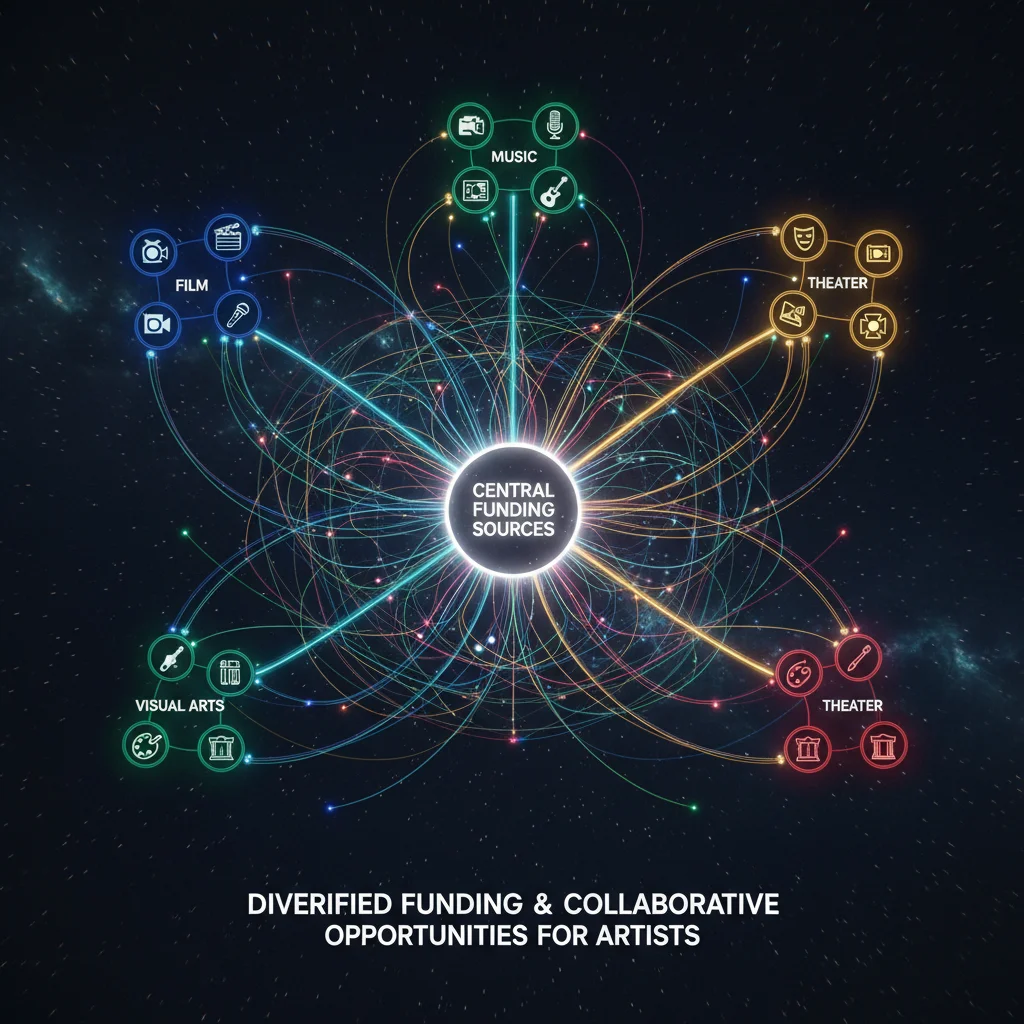
4. Diversify Your Funding Portfolio
Don’t put all your eggs in one basket. Pursue a mix of funding sources: small grants, large grants, individual donations, crowdfunding, and earned income opportunities. A diversified funding strategy provides greater stability and resilience for your creative practice.
5. Be Persistent and Learn from Rejection
Rejection is a part of the grant-seeking process. Don’t let it discourage you. Instead, view it as a learning opportunity. If possible, ask for feedback from the funder. Use this feedback to refine your proposals, strengthen your project, and improve your approach for the next application. Persistence, combined with continuous learning, is a hallmark of successful grant seekers for creative project funding.
The Future of Creative Project Funding: What to Expect Beyond 2026
As we move past 2026, the trends we’ve discussed will likely intensify. The demand for creative projects that are not only artistically excellent but also socially relevant, technologically integrated, and environmentally conscious will continue to grow. Funders will increasingly seek projects that demonstrate:
- Scalability: The potential for projects to grow and reach larger audiences or have wider impact.
- Replicability: Models that can be adapted and implemented in different contexts or communities.
- Long-term Vision: A clear plan for sustainability beyond the initial grant period.
- Ethical Frameworks: Projects that are developed and executed with strong ethical considerations, especially concerning data privacy, community participation, and fair compensation for artists.
Preparing for these future expectations now will position you at the forefront of securing consistent creative project funding for years to come.
Conclusion: Your Path to Successful Creative Project Funding in 2026
Securing creative project funding in 2026 is an achievable goal, especially when approached with strategy, diligence, and a deep understanding of the funding landscape. By embracing emerging trends, crafting compelling narratives, demonstrating feasibility, and meticulously researching funders, you can significantly elevate your chances of success. Aiming for a 10% higher success rate is not just ambitious; it’s entirely within your reach with the right preparation and mindset.
Remember, every successful grant application begins with a clear vision, a well-defined project, and the commitment to communicate its value effectively. The journey to funding your creative dreams is an iterative process of learning, refining, and connecting. Equip yourself with the tools and insights provided in this guide, and step confidently into 2026, ready to transform your artistic aspirations into impactful realities. Your creativity deserves to be funded, and with these strategies, you are well on your way to making that a consistent reality.